Following Instinct: Now and Forever with Obongjayar
Words and Photos by Reem
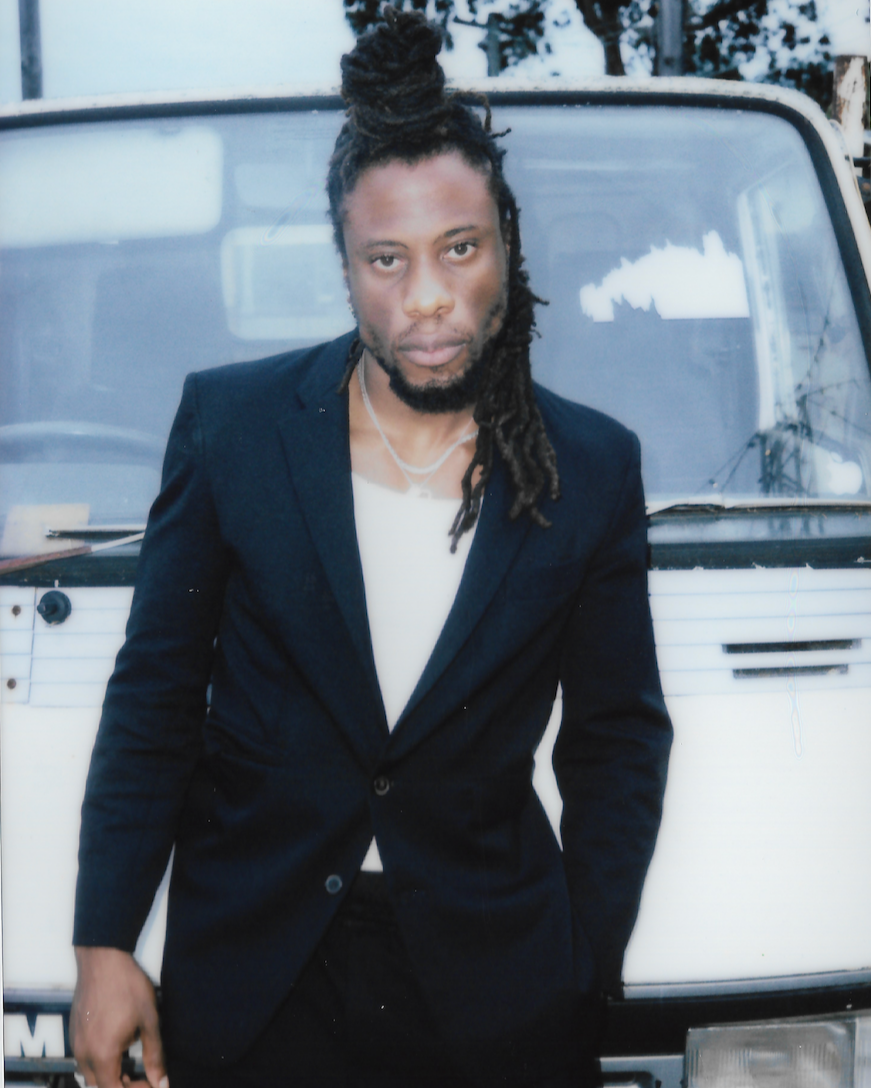
When I last spoke to Obongjayar, we talked about surrender.
At the time, his album Paradise Now felt like a manifesto for presence: an invitation to stop chasing some distant version of fulfilment and instead embrace the moment unfolding in front of you. The record was expansive, soulful, restless and deeply human, capturing an artist who seemed increasingly comfortable trusting instinct over expectation.
A year later, as Obongjayar returns with Paradise Now & Forever, that philosophy remains intact. But time has given it new contours.
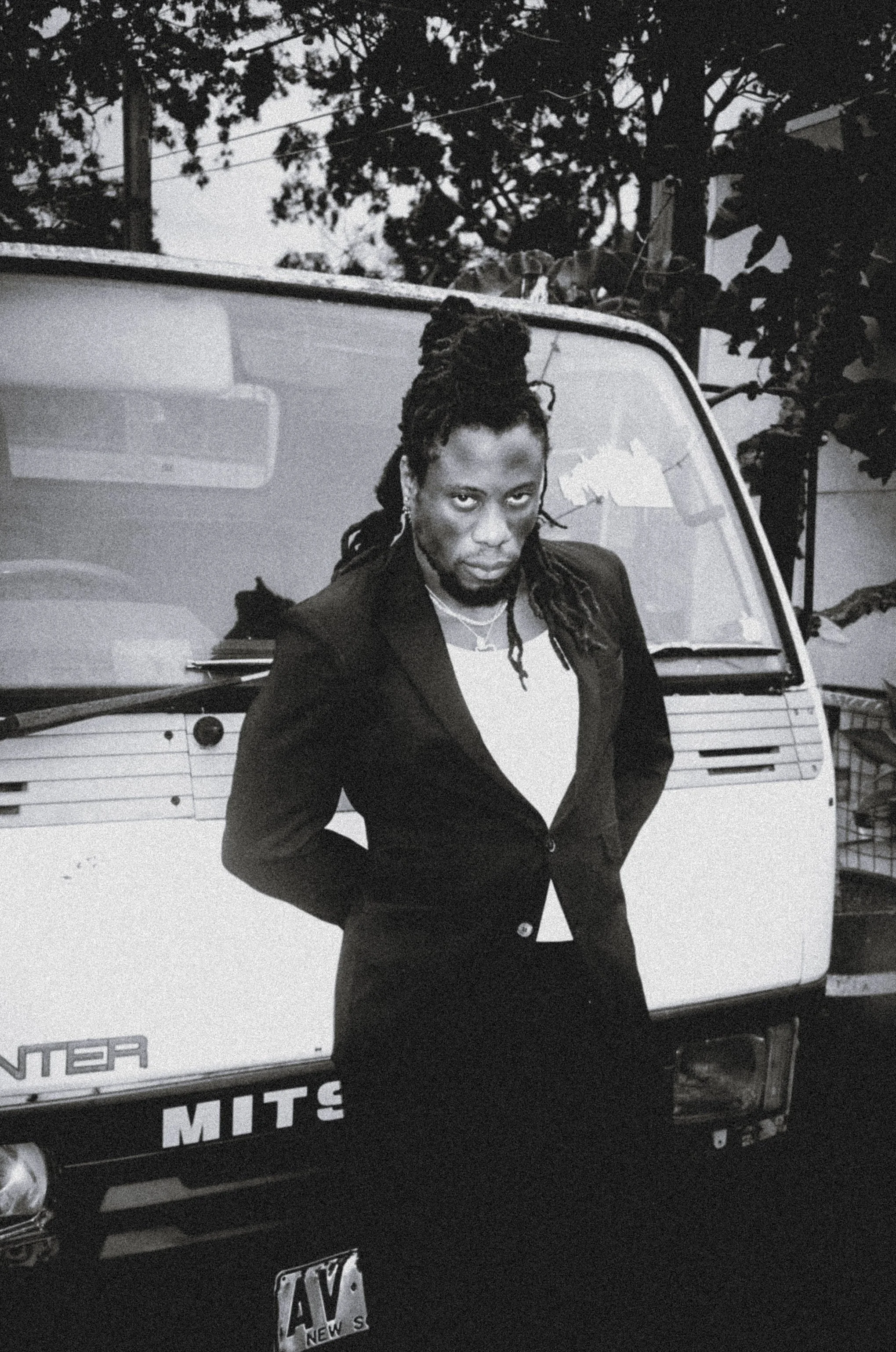
"The sentiment is still the same," he tells me before a Sydney show. "It's being present."
Then he pauses.
"Maybe it has changed. Paradise is learning."
It's a deceptively simple statement, but one that seems to underpin everything about where Obongjayar finds himself now. Paradise isn't perfection. It isn't escape. It isn't a destination waiting somewhere beyond hardship. Instead, it exists within the process itself, in mistakes, beauty, discomfort, growth and experience.
"You're learning from your mistakes. You're learning from the hardships. You're learning from the beauty of things. You're learning from everything," he says. "So that is paradise in itself."
The expanded edition of Paradise Now wasn't born from some grand conceptual continuation. In typical Obongjayar fashion, the answer is refreshingly straightforward.
"We just had way too many songs recorded for the record itself," he laughs. "So we just added those on."
The new material extends the sonic world of the original album, not because it was carefully designed to complete a narrative arc, but because the songs belonged together. Forever becomes less a sequel and more a continuation, a reminder that creative work rarely fits neatly within predetermined boundaries.
One of those additions, "Lip Dance", has become an unexpected favourite.
"I didn't love it at first," he admits. "I loved the sentiment, but there was something about it that felt a bit too toyish for me. But over time, I've grown to love it."
The relationship artists have with their own work is often more complicated than listeners imagine. Songs can reveal themselves gradually, evolving long after they're finished. For Obongjayar, learning to trust that evolution seems as important as the act of creation itself.
That trust sits at the centre of his creative philosophy.
"Don't get in the way of the groove," he says. "Let the groove carry you."
It's advice that sounds effortless but is grounded in discipline rather than spontaneity. While Obongjayar is frequently described as an instinctive artist, he sees instinct and routine as partners rather than opposites.
"Creative discipline is waking up every day and setting aside a particular time to write and think," he explains. "And always being observant."
For him, artistry doesn't switch off when he leaves the studio. Observation becomes part of the work. Inspiration emerges through paying attention to the world and maintaining a curiosity about it.
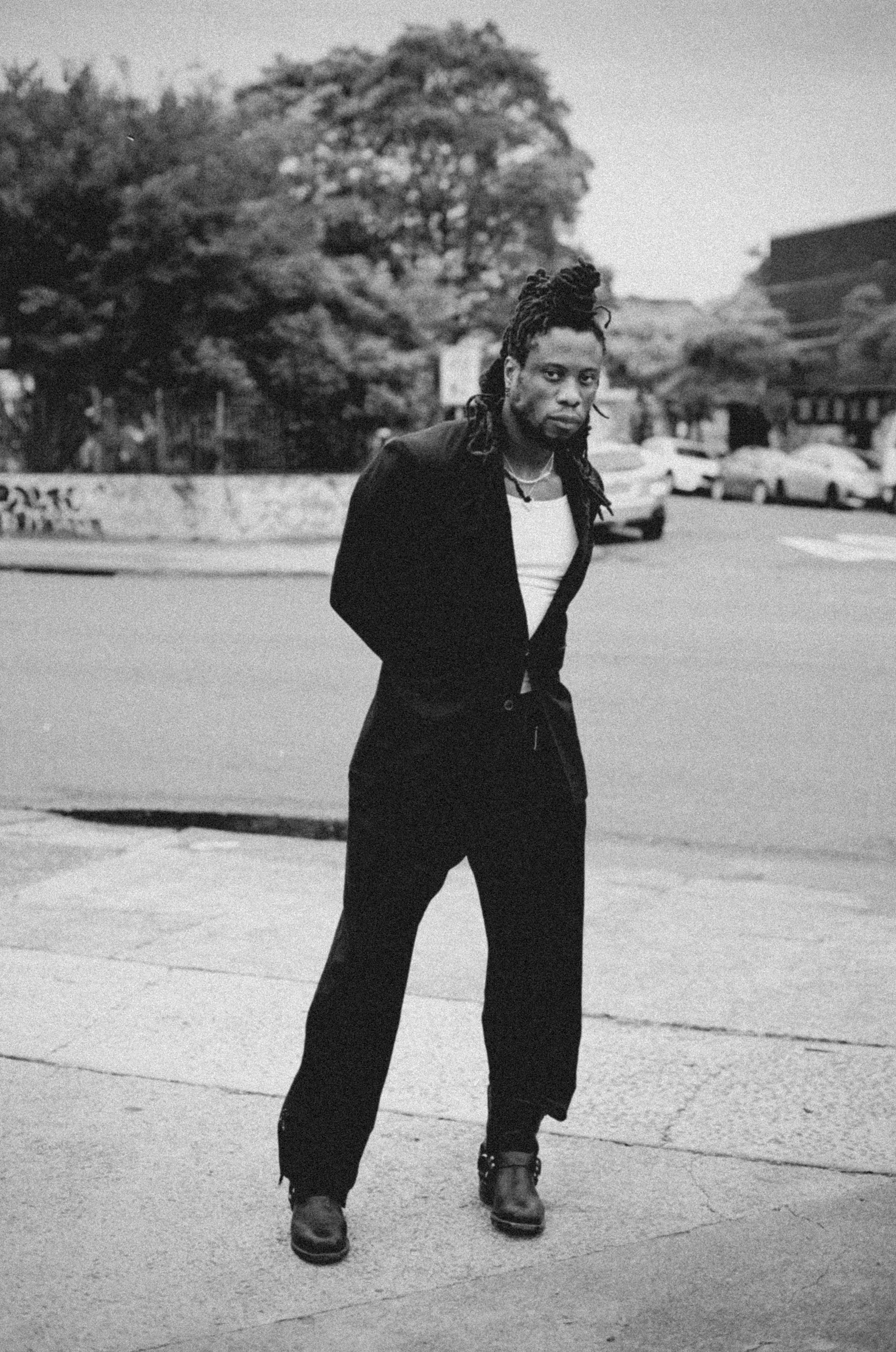
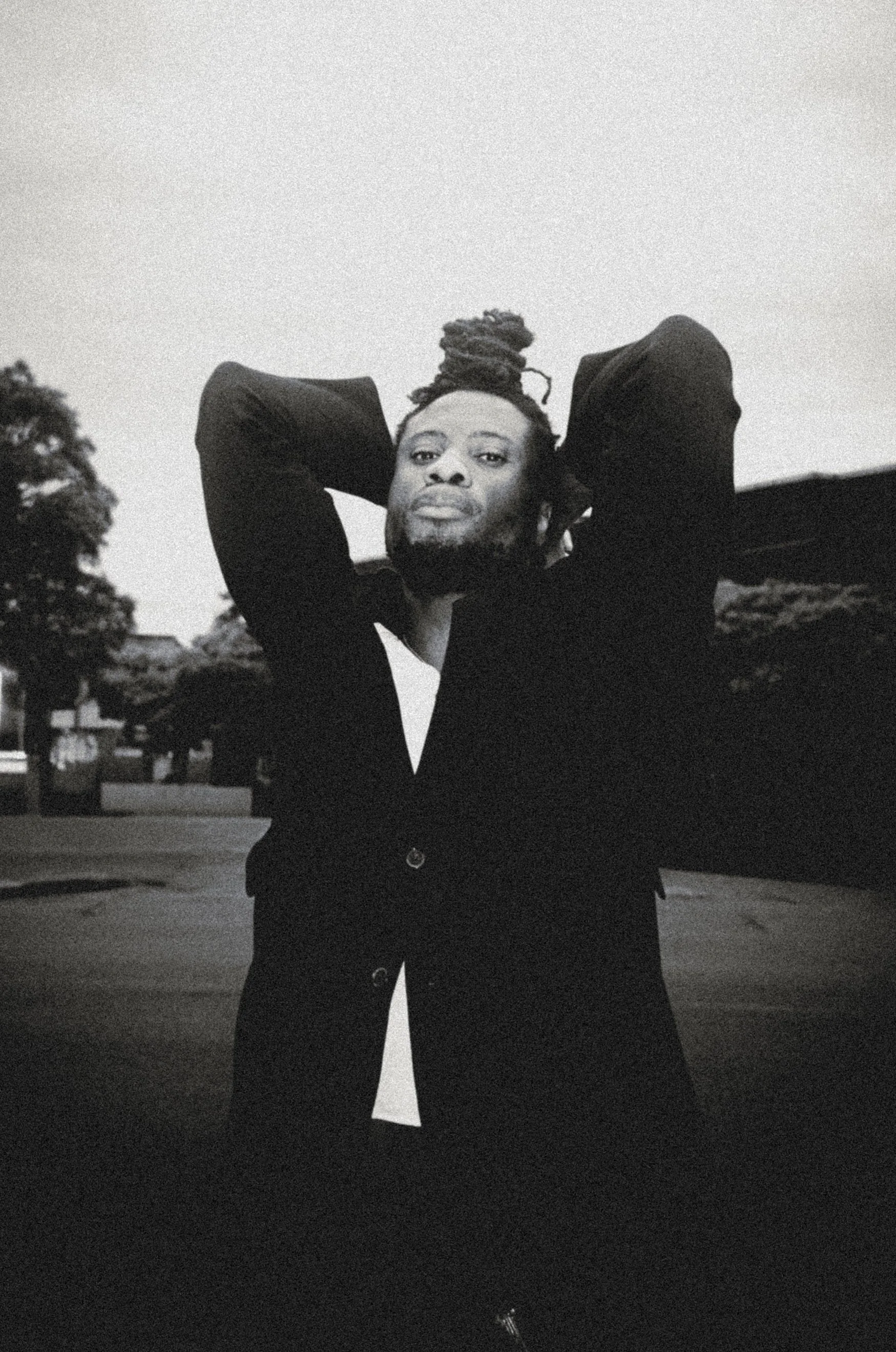
"Routine is super important," he says. "Then the instincts will just kick in."
Our conversation drifts into an unexpected debate about motivation versus discipline. I suggest that discipline is often what carries us through when motivation disappears. Obongjayar disagrees.
"I think there is such a thing as motivation," he says. "You're motivated if you like what you're doing."
His distinction is an important one. Discipline alone can sustain action, but motivation provides meaning. It's the difference between enduring a task and feeling energised by it.
"You can be disciplined and miserable," he says. "But if you're motivated, that means you're enjoying what you're doing."
The exchange reveals something fundamental about how Obongjayar approaches his work. Despite the seriousness of his artistry, there is still joy at the centre of it. Curiosity. Play. A genuine excitement about creation.
Perhaps that's why he remains so comfortable relinquishing control once the music enters the world.
When I ask whether audience interpretations of his songs have ever surprised him, he shrugs off the idea.
"Not at all."
For Obongjayar, meaning doesn't belong exclusively to the artist. Once a song leaves him, listeners are free to reshape it according to their own experiences.
"Whatever it does for you, let it do that for you."
It's a perspective rooted in generosity rather than ownership. Art may originate from a personal place, but it finds its fullest expression through connection.
"I think it's from you and for the people," he says. "Once you put it out, it's for the people who you're making it for and how they receive it."
The idea echoes themes we explored during our first conversation. Back then, Obongjayar spoke about removing ego as a pathway towards creating something timeless. Now, after watching Paradise Now travel through the world and take on a life beyond its creator, his view remains largely unchanged.
"If it's timeless, it's timeless," he says.
For him, timelessness isn't something an artist can manufacture. It emerges naturally from honesty.
"If I make a thing that's true and really honest to me, and I'm not trying to copy something or replicate something that already exists, I'm bringing a new feeling into the world."
The rest, he suggests, is beyond his control.
"Time will tell."
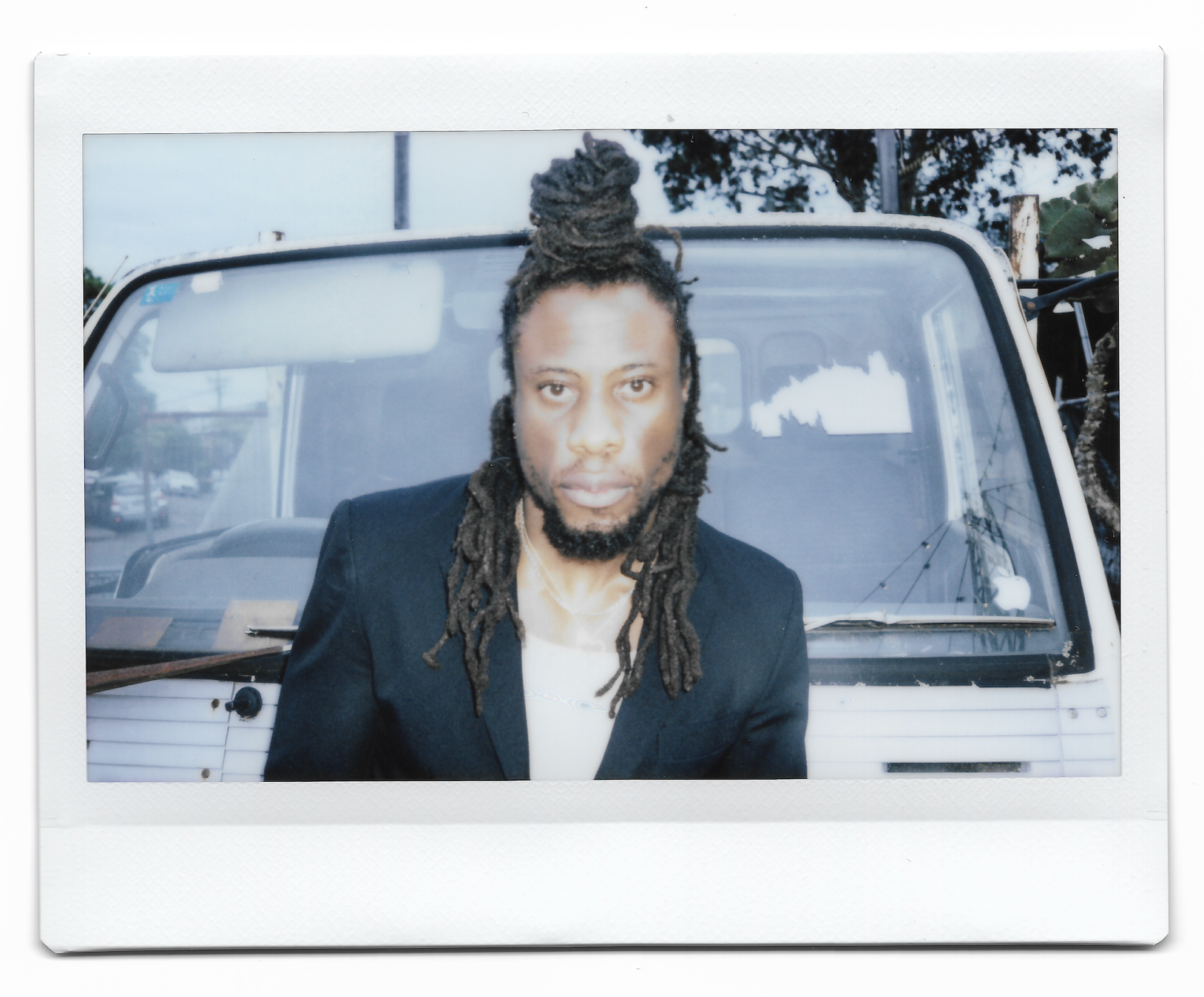
It's an answer that feels characteristic of Obongjayar's worldview. There is no obsession with legacy, no attempt to force permanence. Only a commitment to making work that feels truthful in the present moment.
And perhaps that's the real lesson hidden within Paradise Now & Forever.
Paradise isn't certainty. It isn't mastery. It isn't arriving.
It's remaining open enough to keep learning.
It's trusting the groove.
And it's understanding that once you've discovered something beautiful, your job is simply to share it.
See more from Obongjayar here.
MORE LIKE THIS