
SIX DAYS INSIDE PARIS FASHION WEEK - A visual Diary
Words & Photography by Simran Kaur
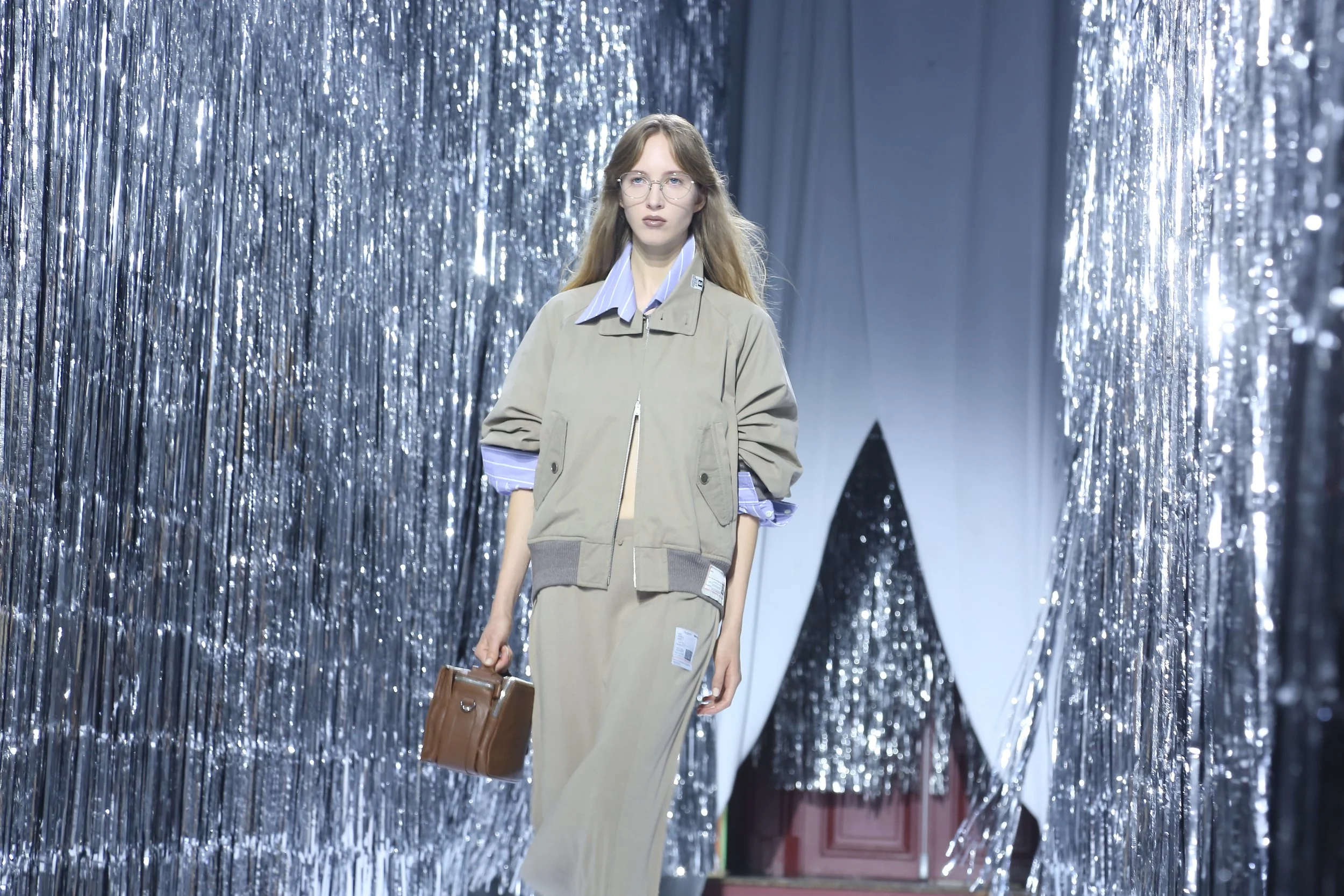
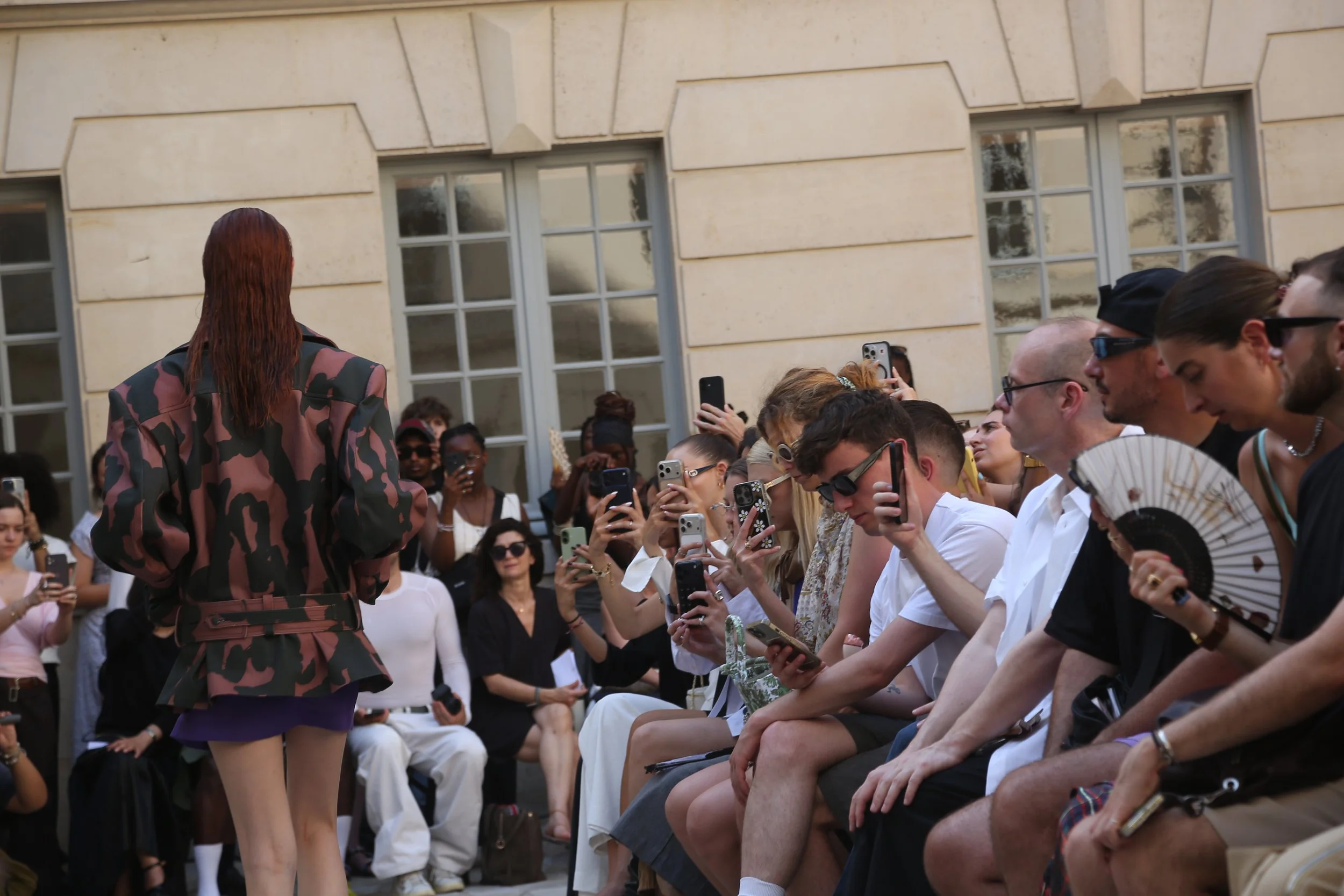
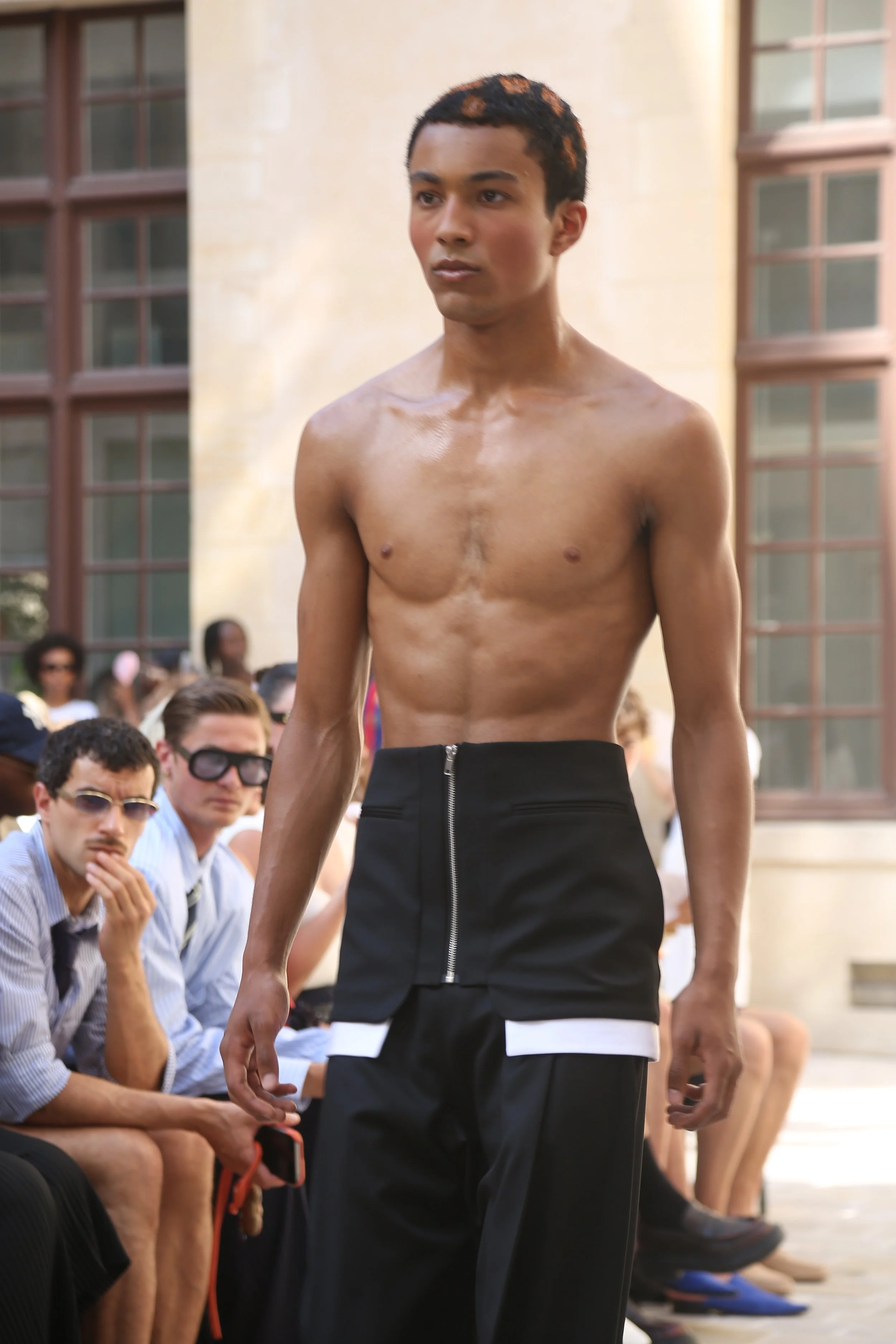
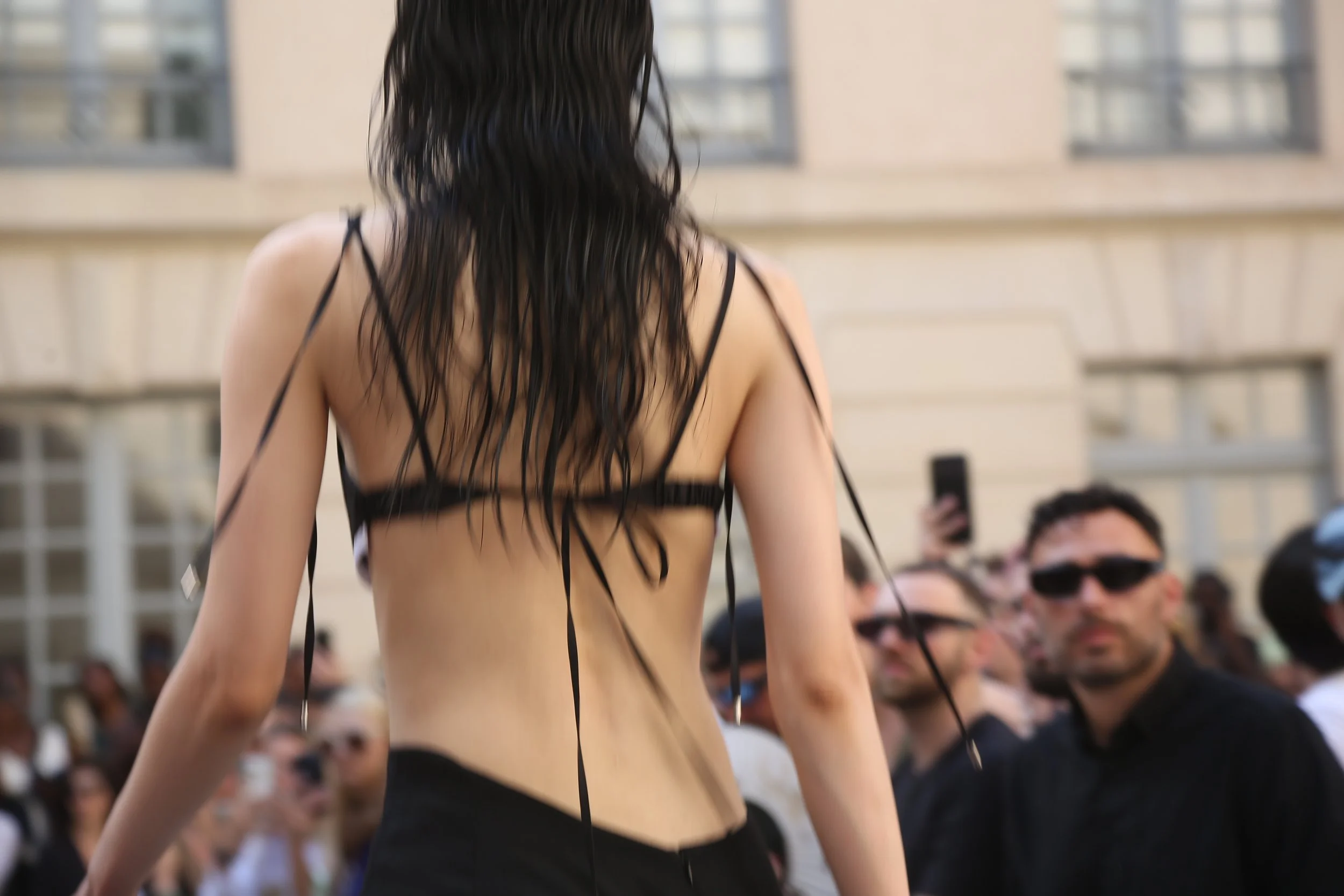
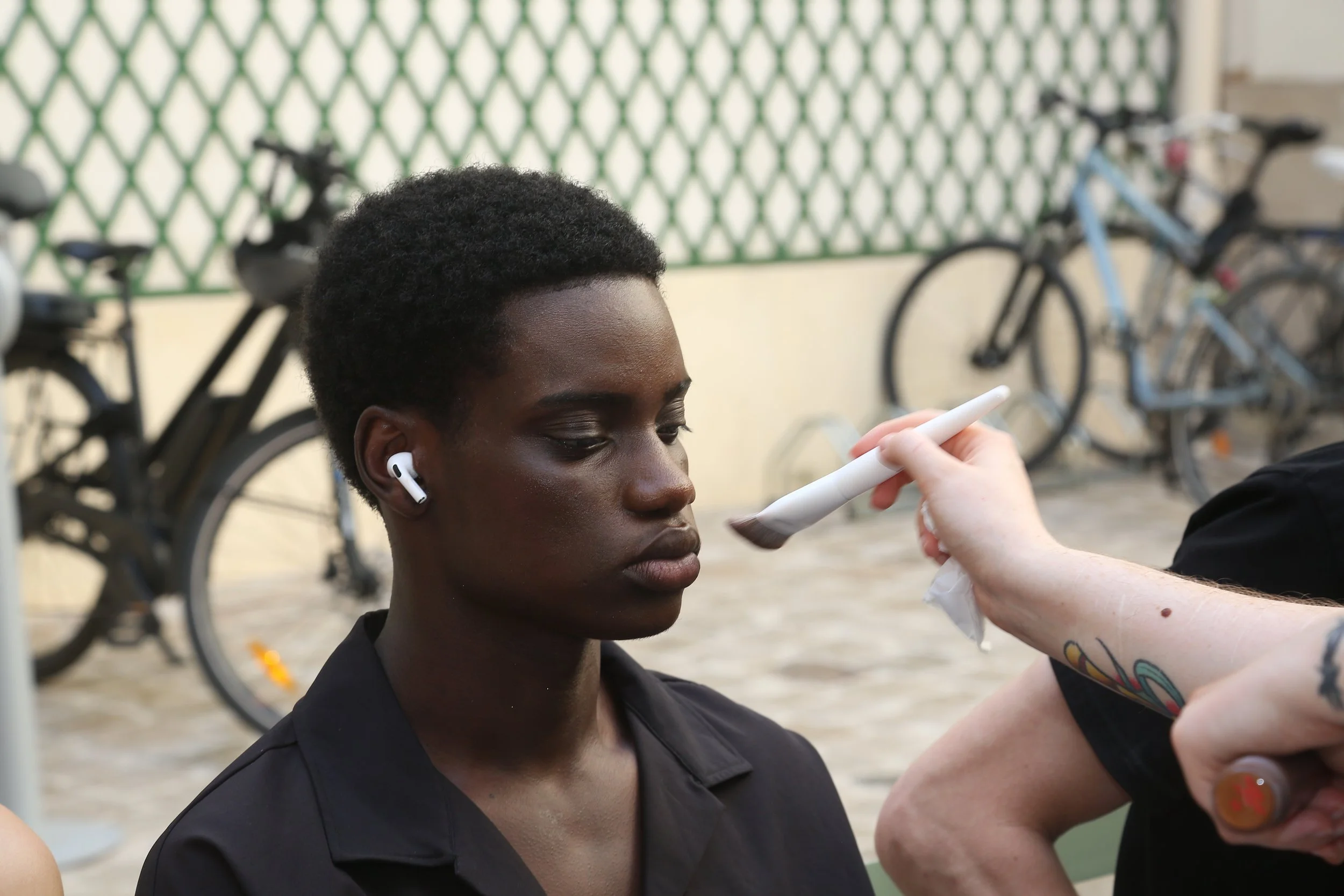
Vallette Studio
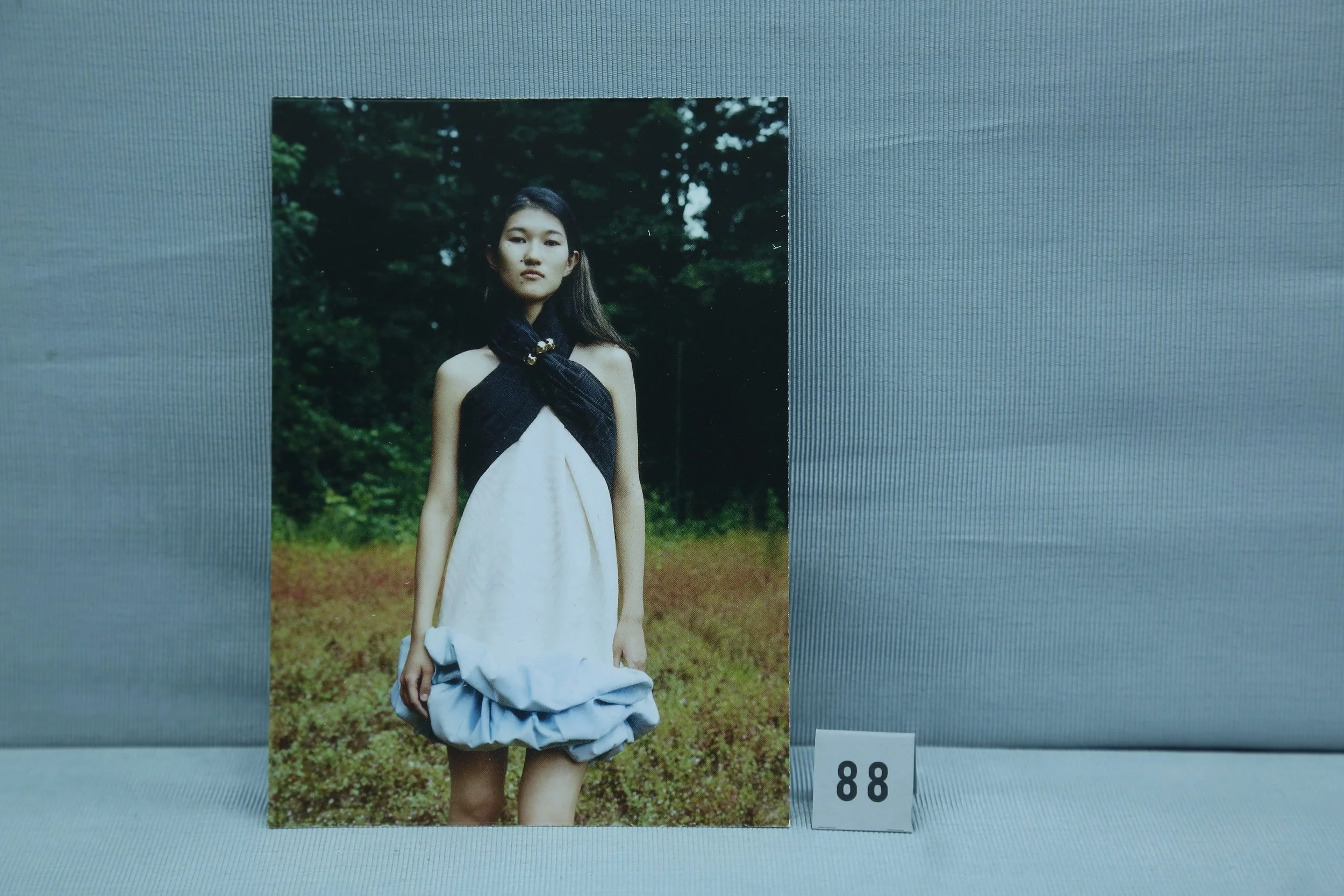
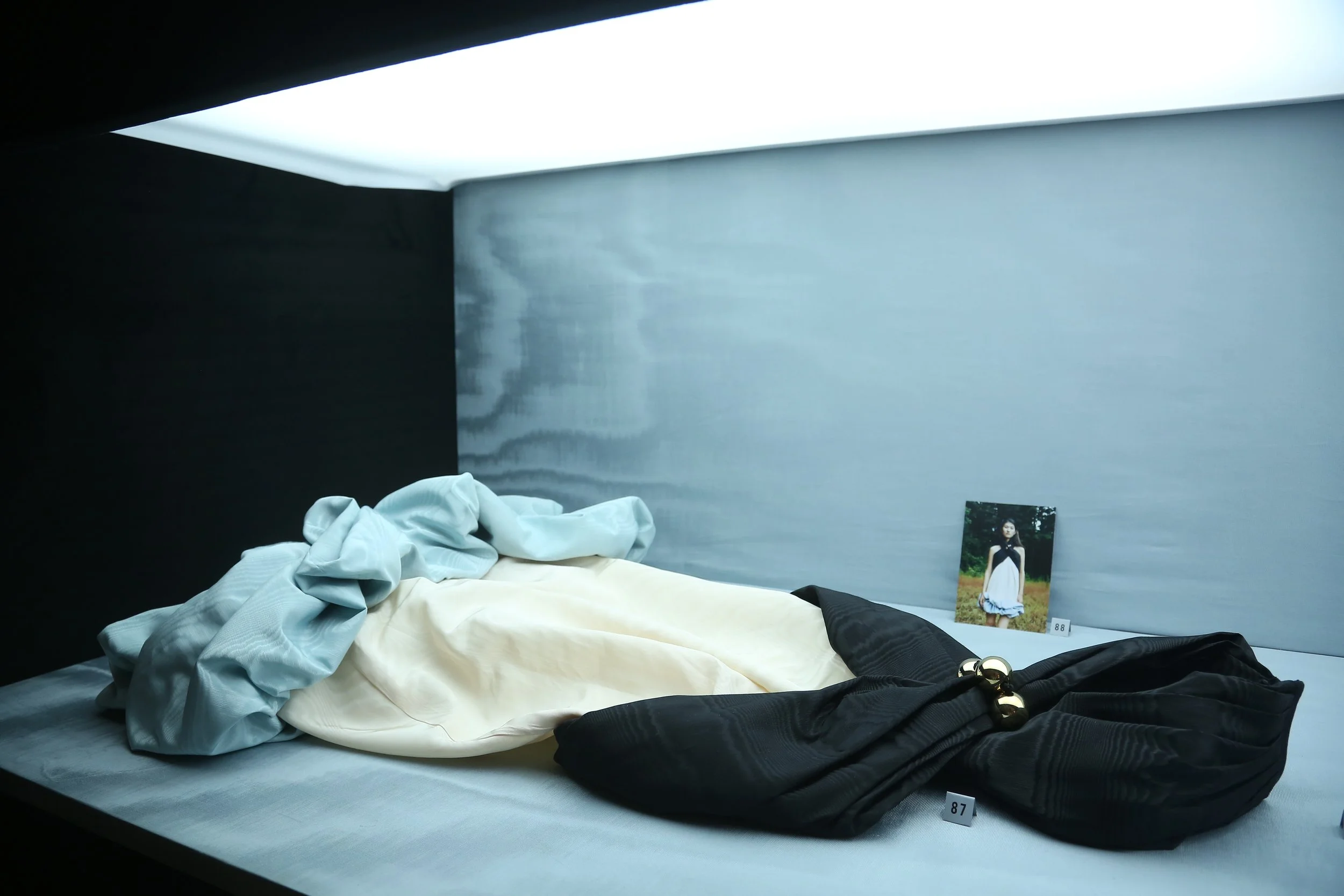
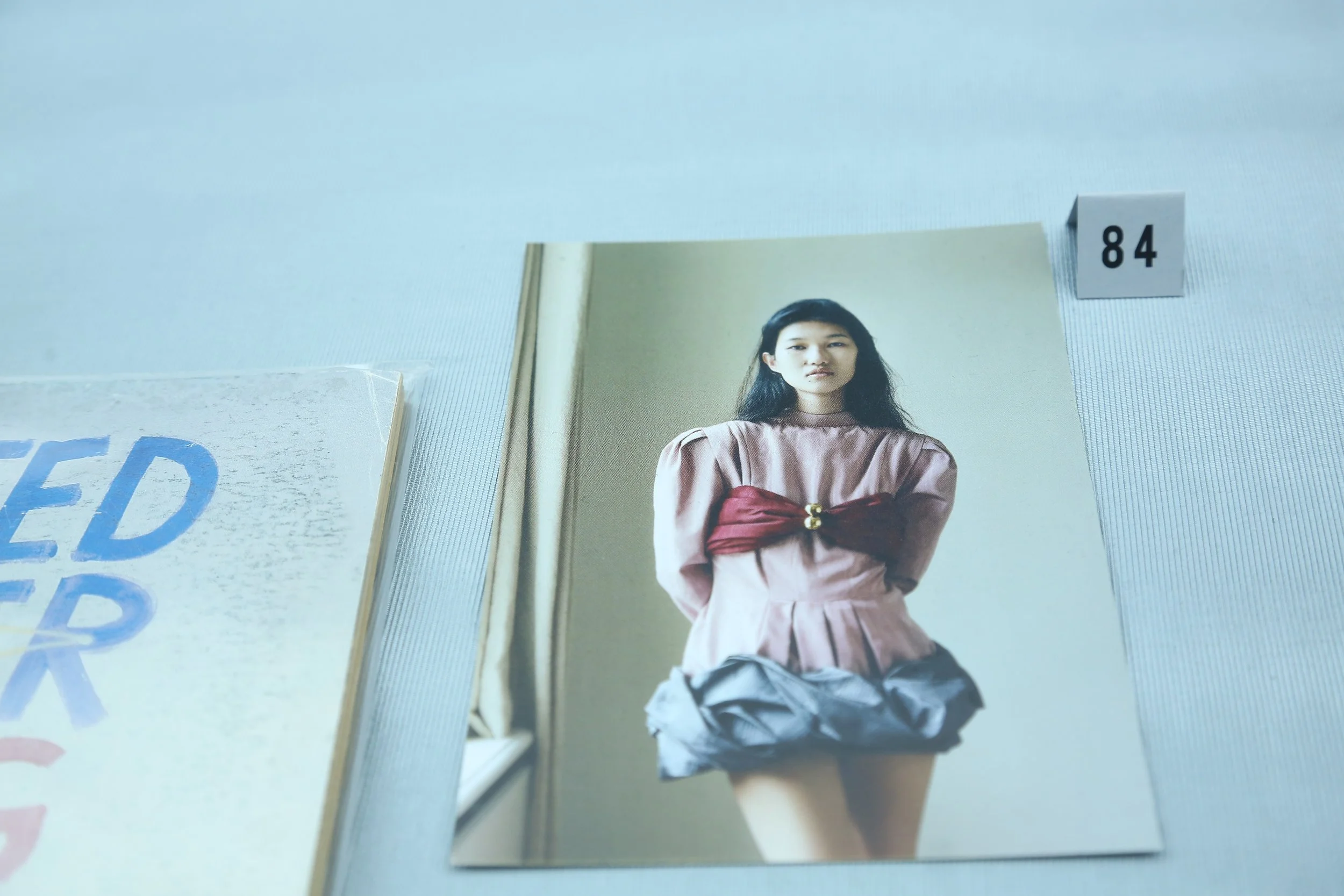
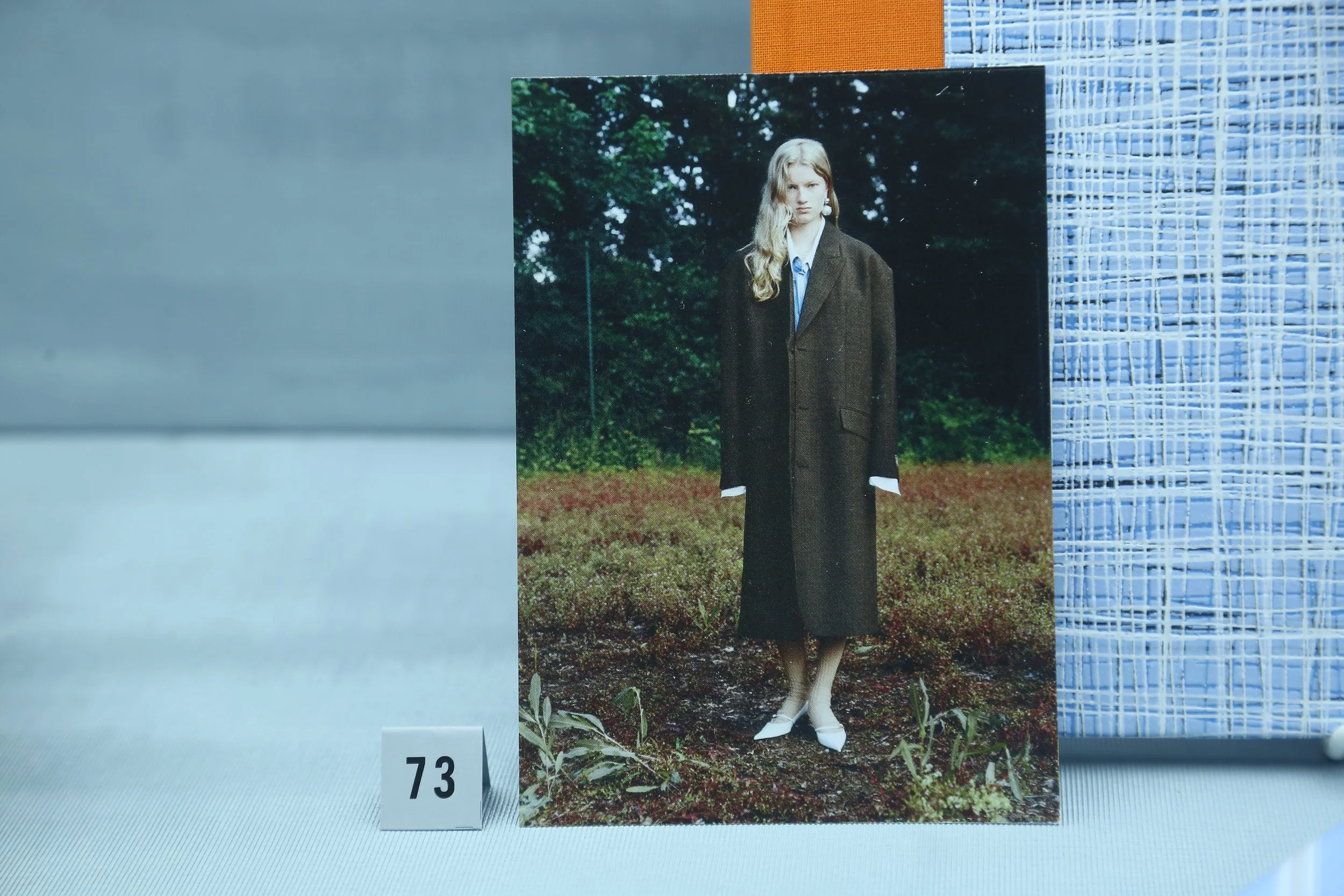
Meryll Rogge
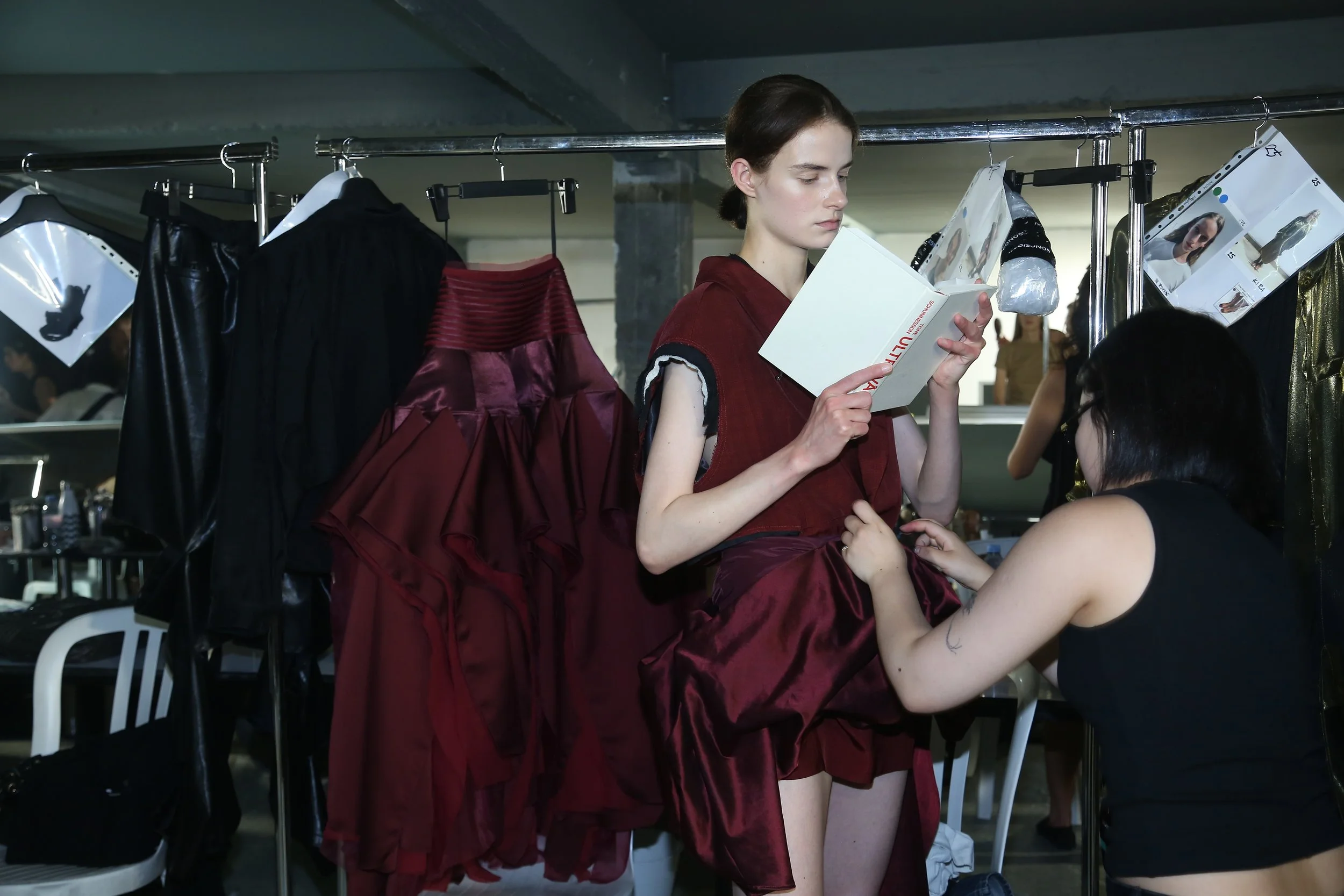
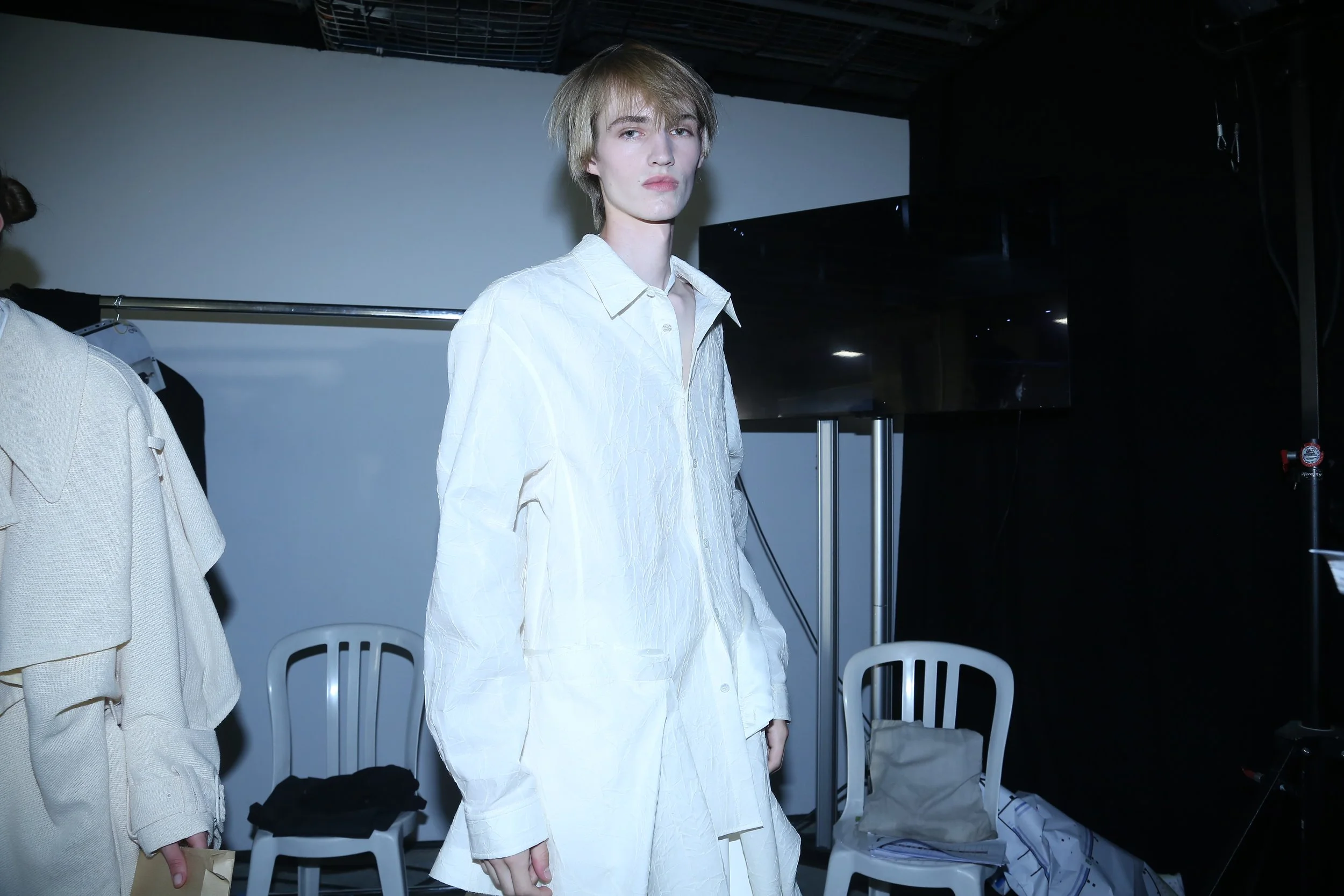
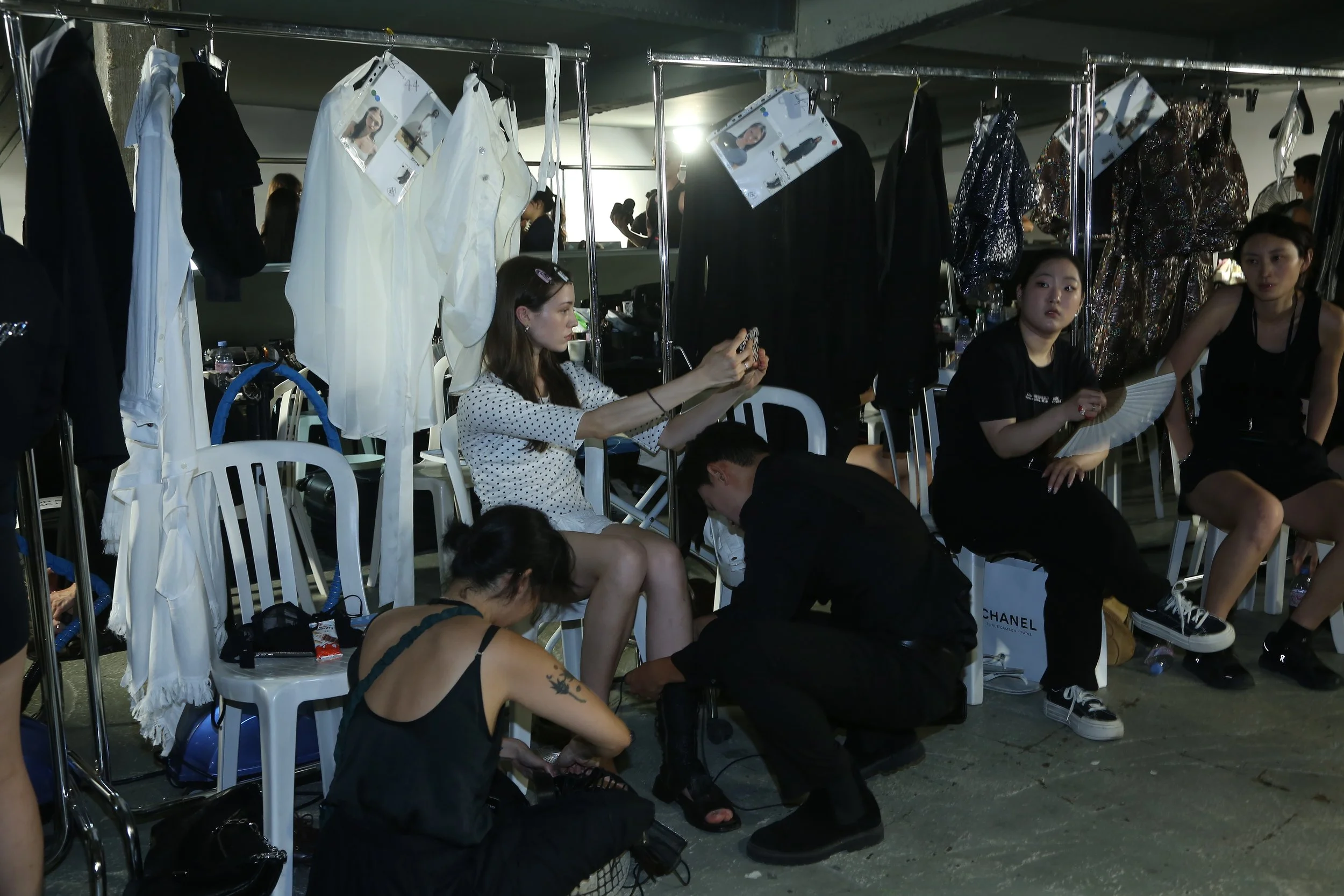
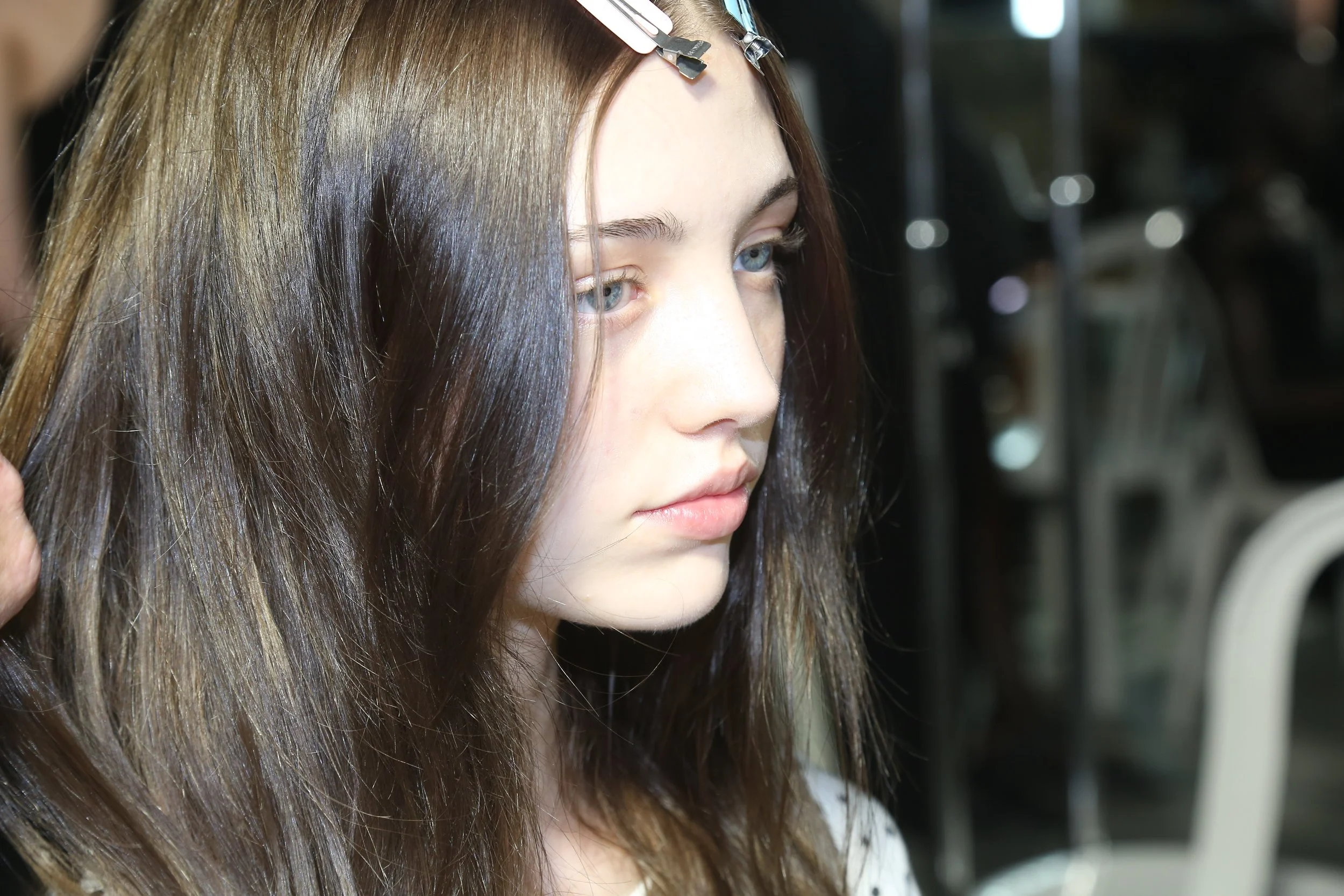
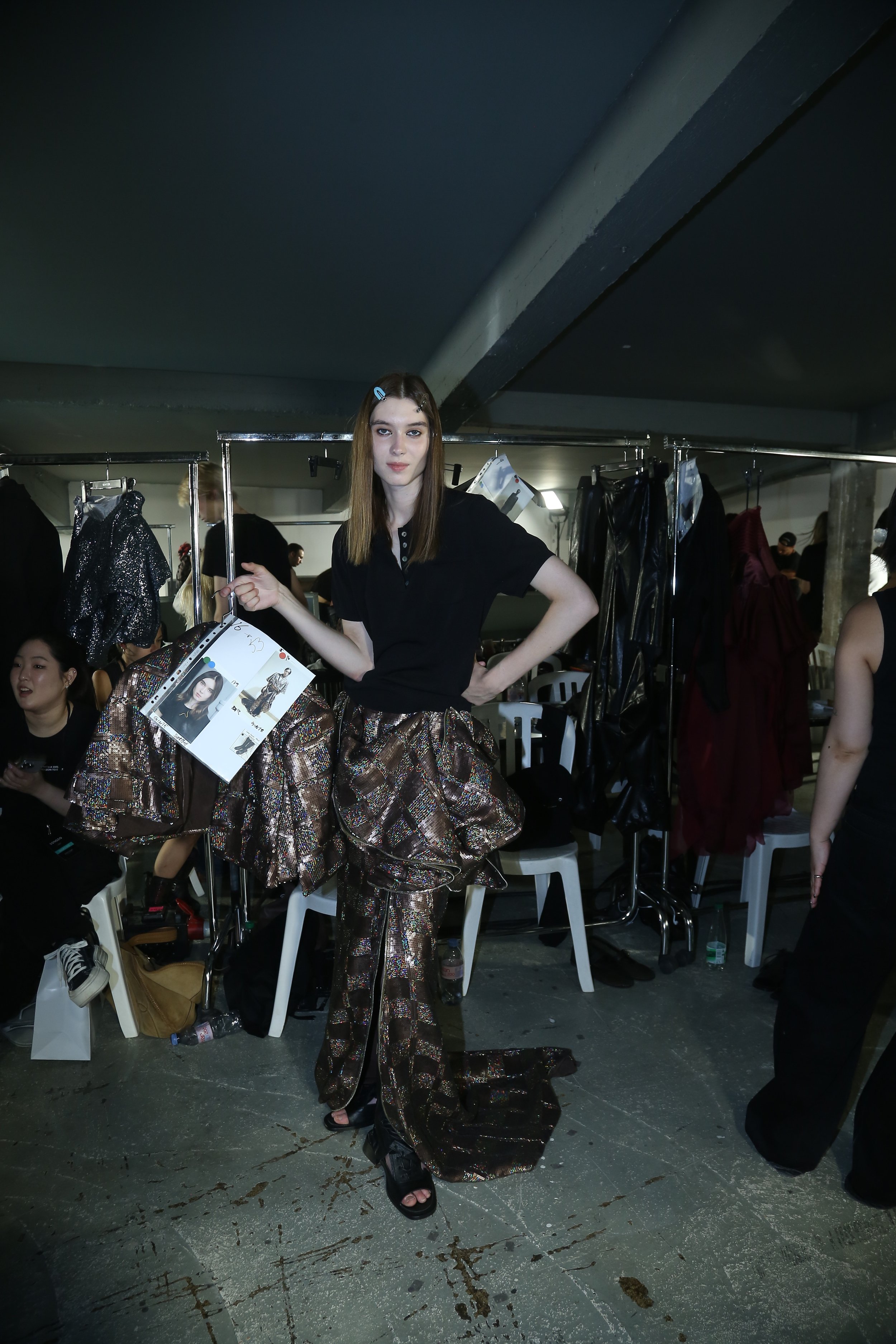
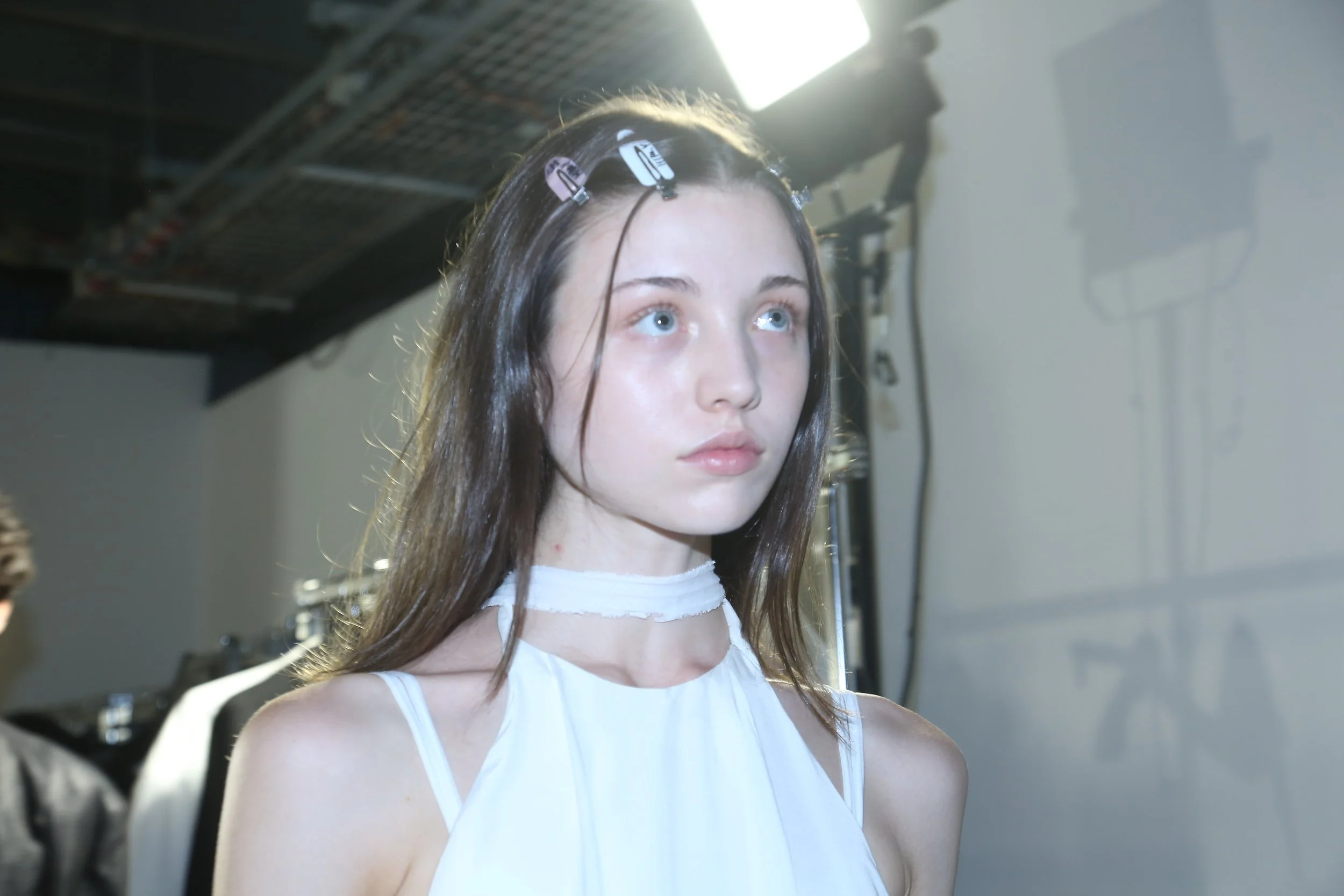
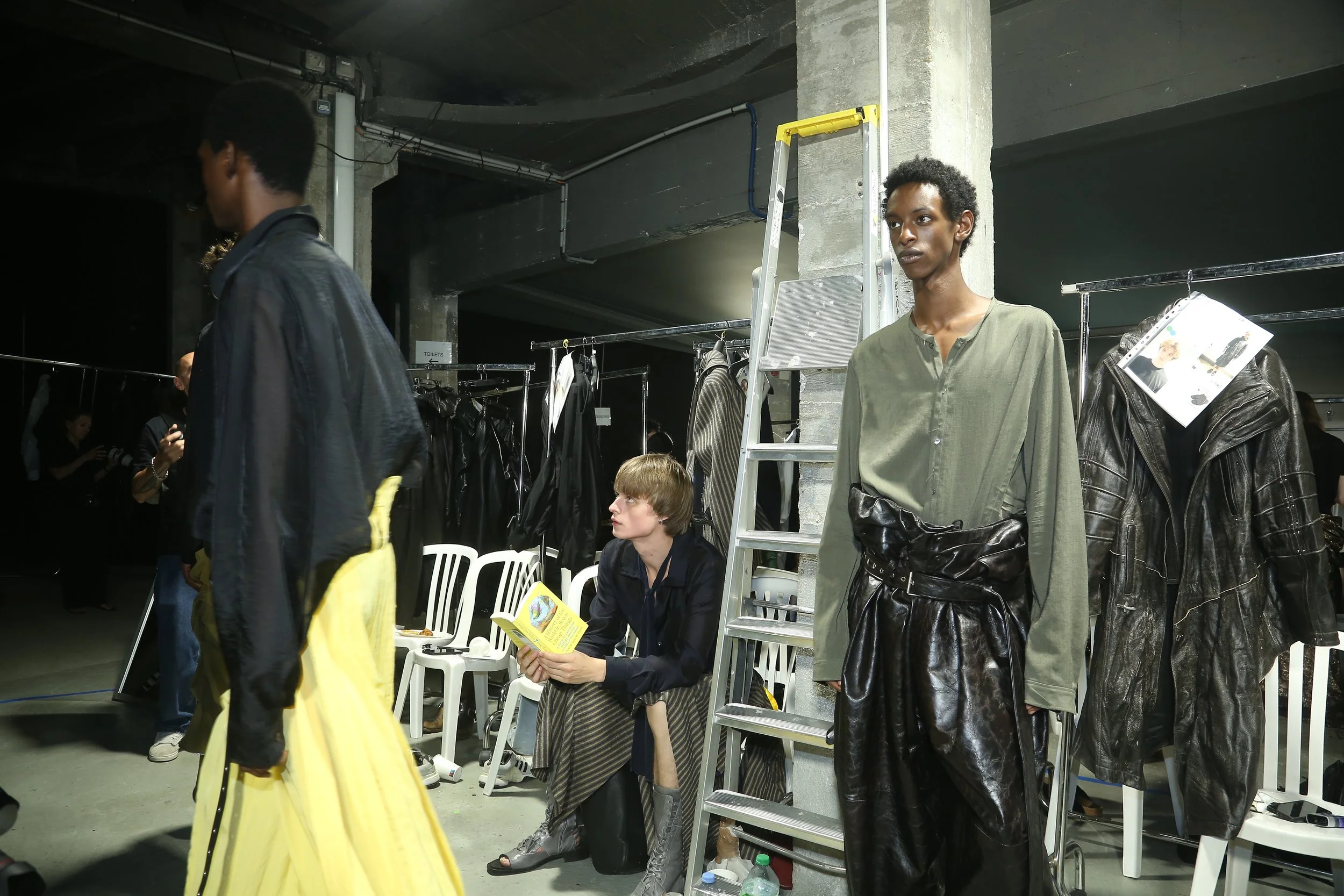
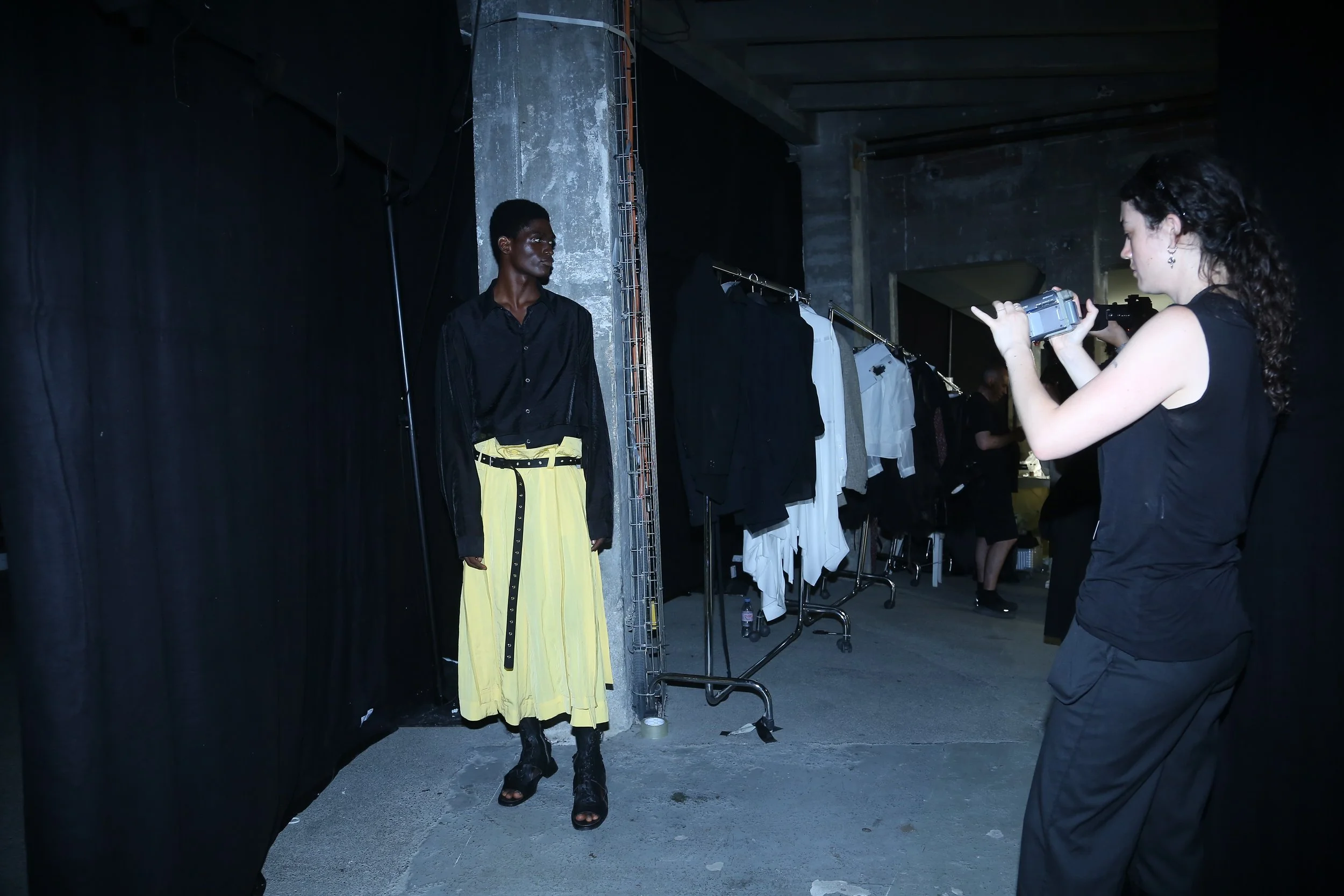
Songzio
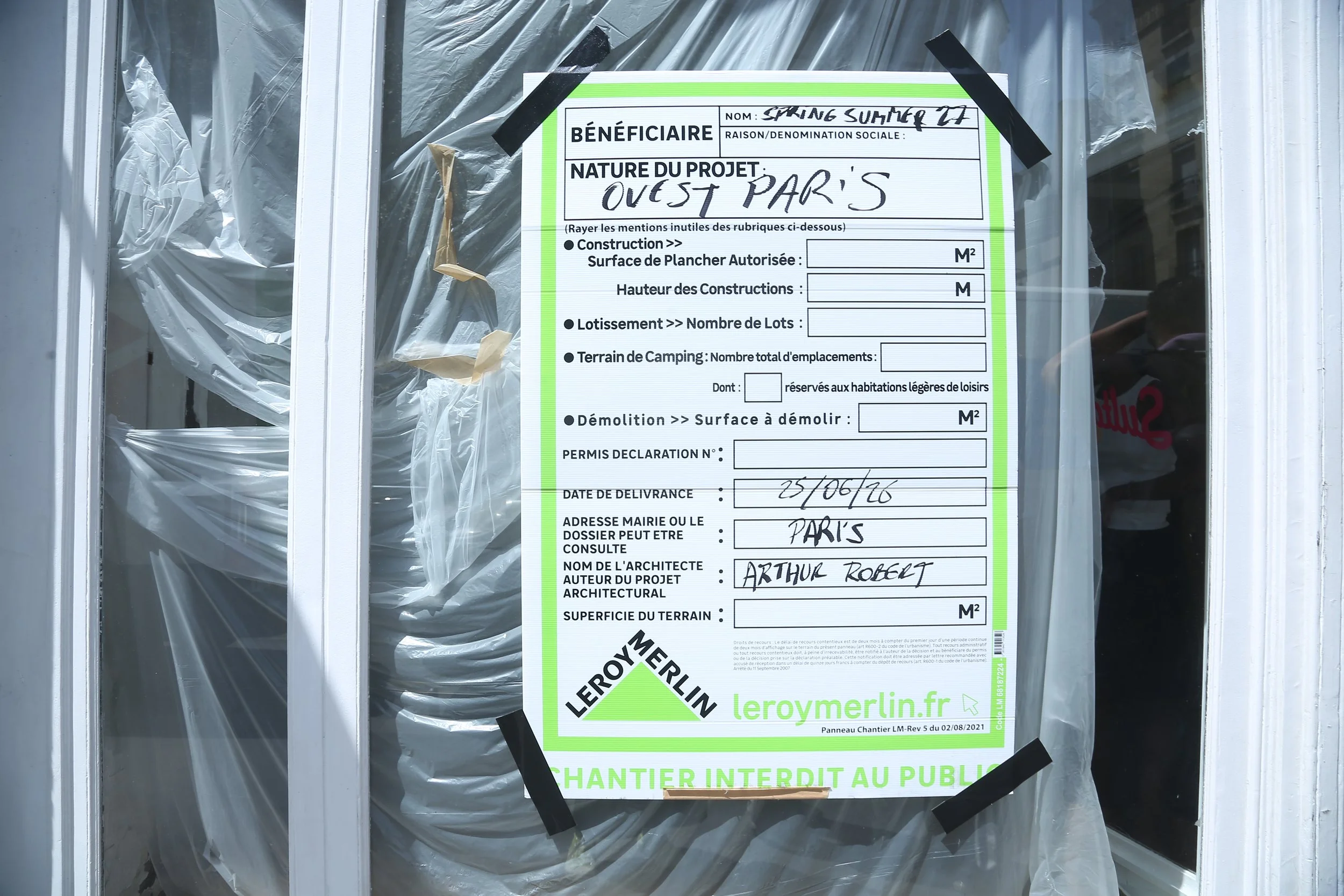
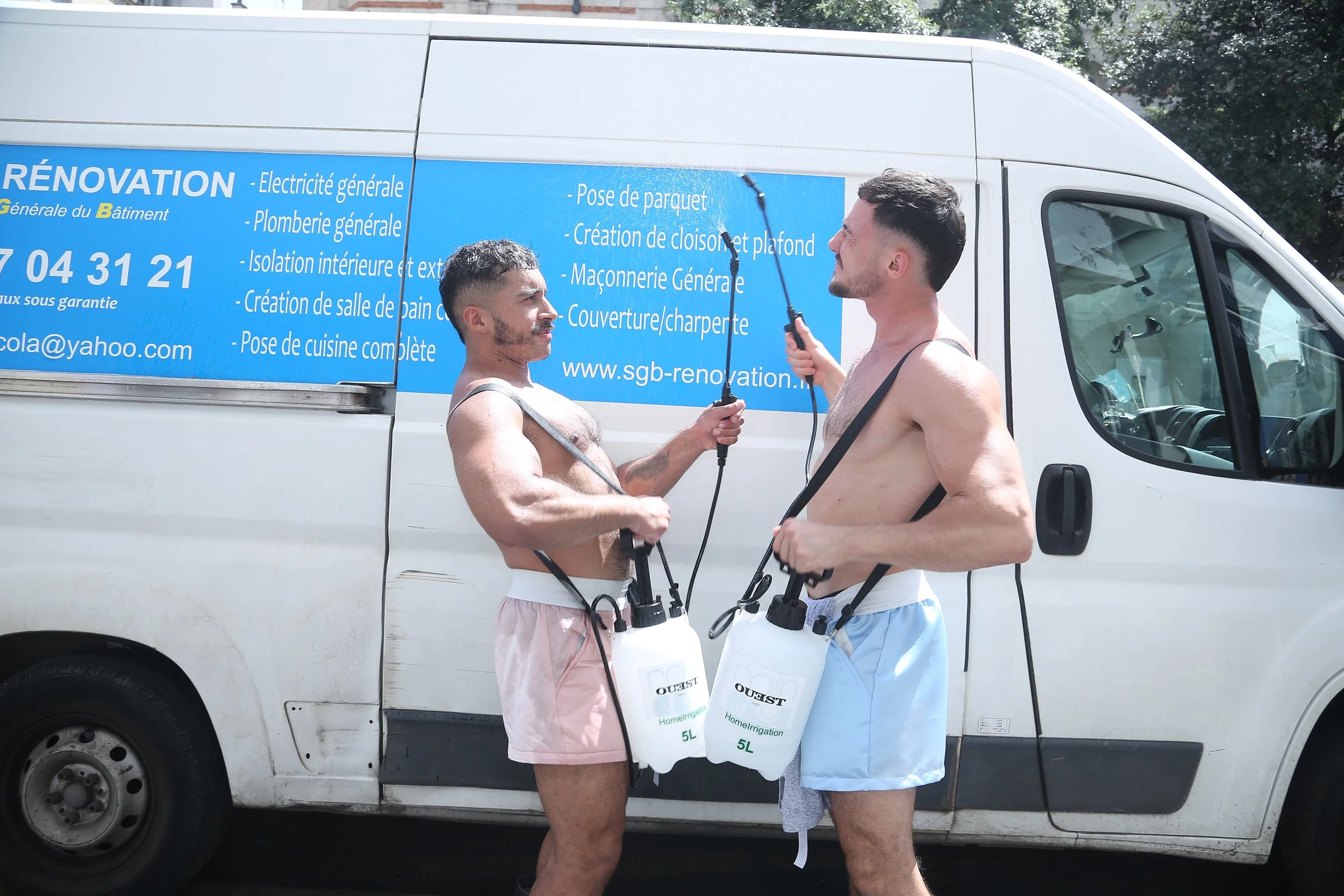
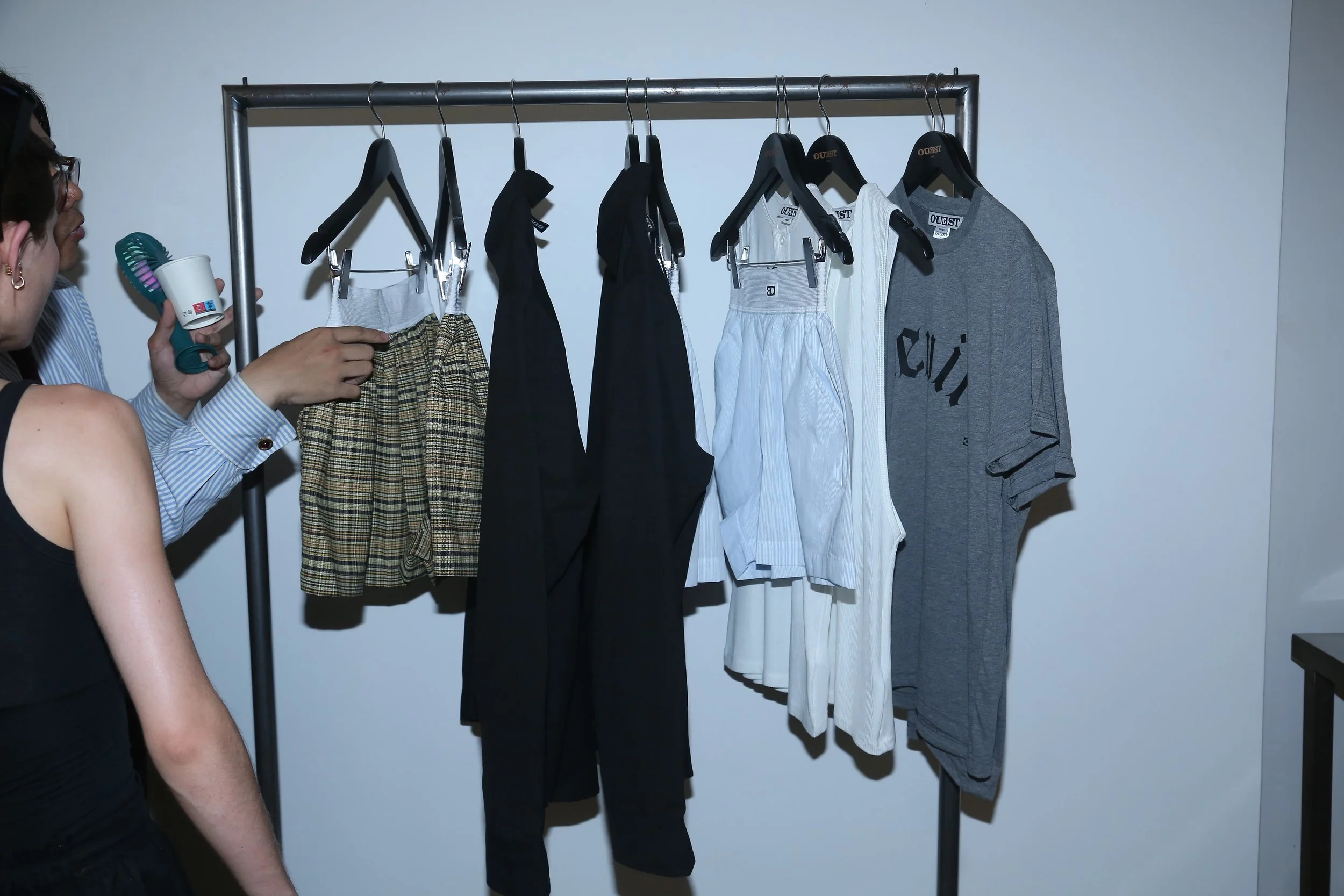
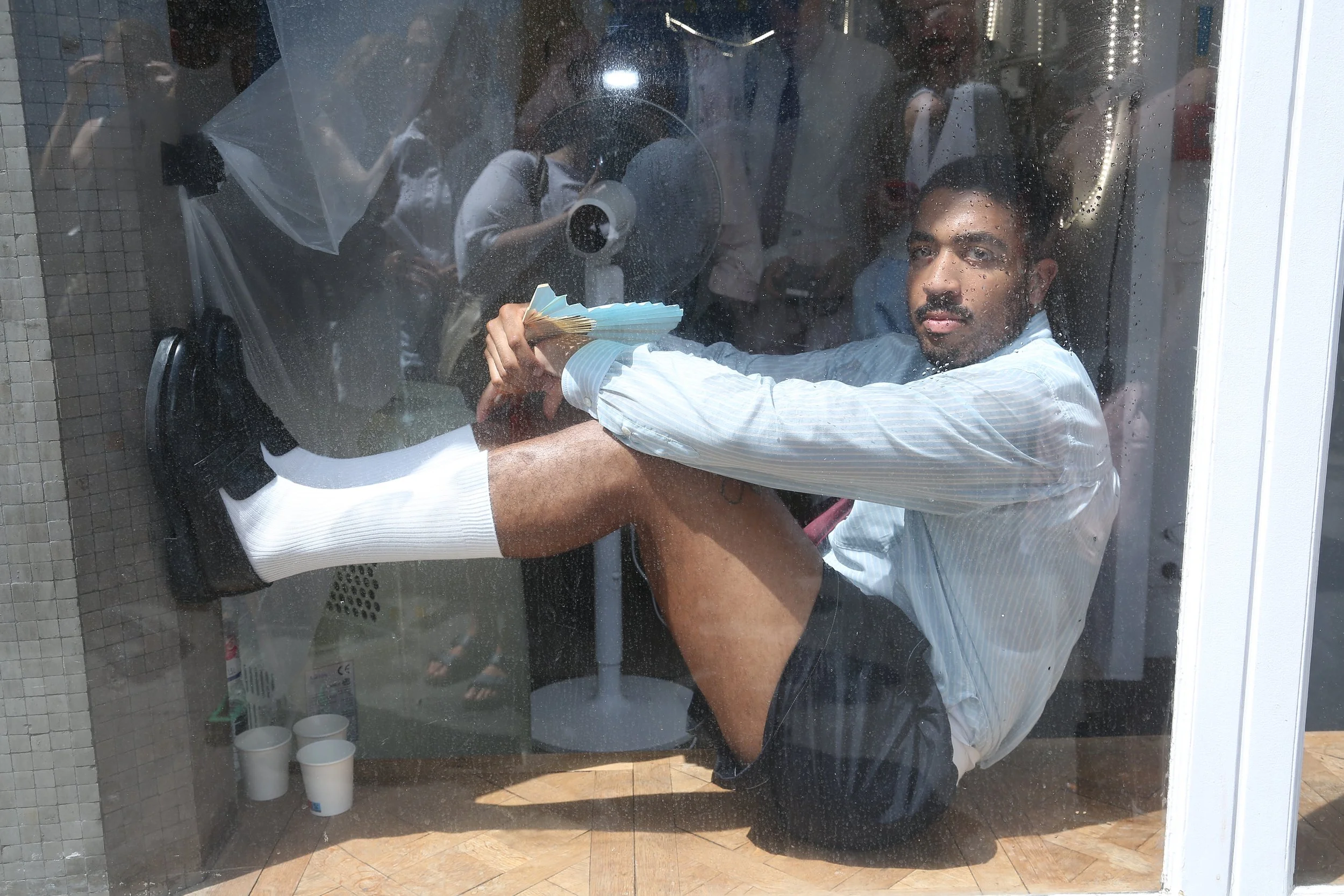
Ouest
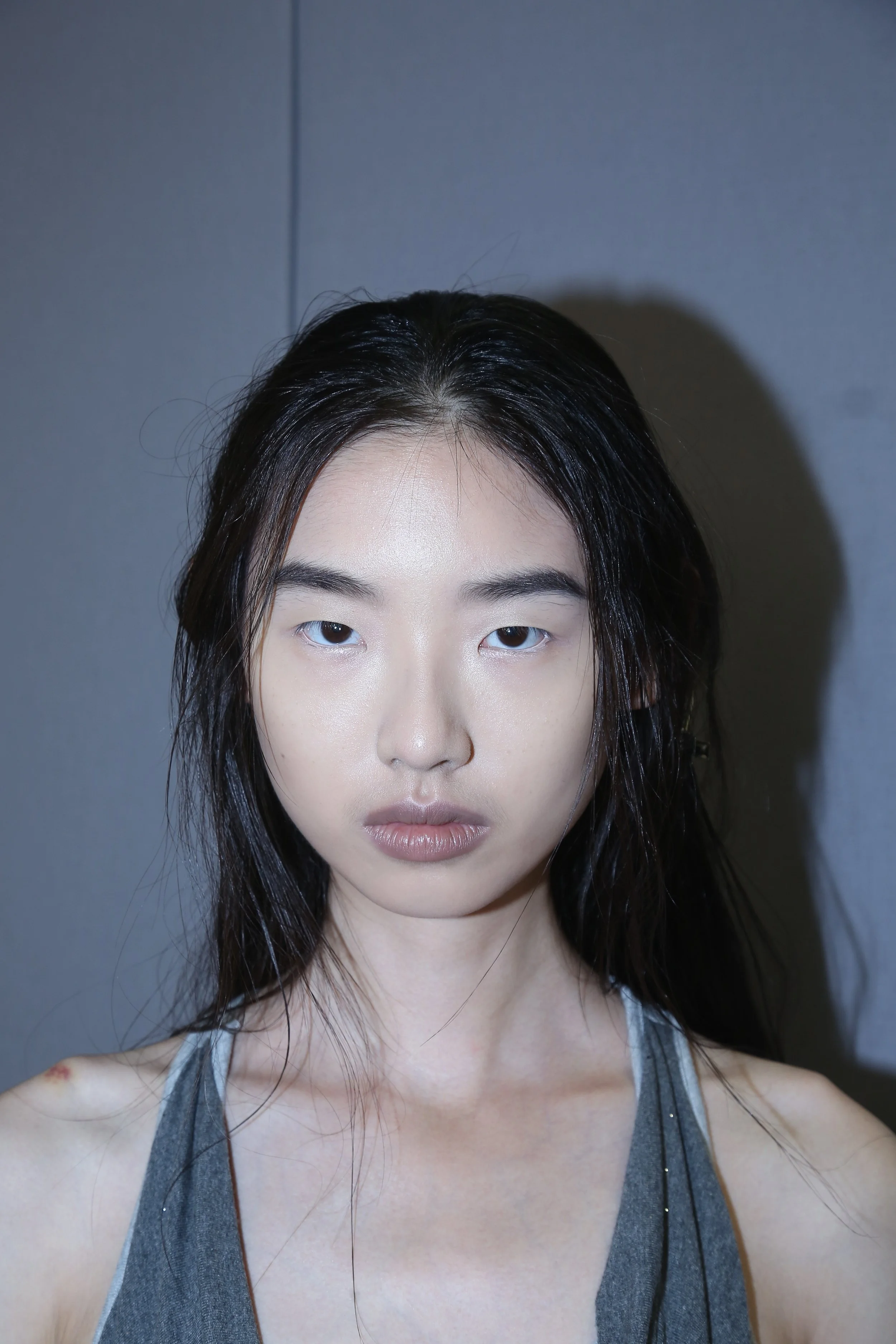
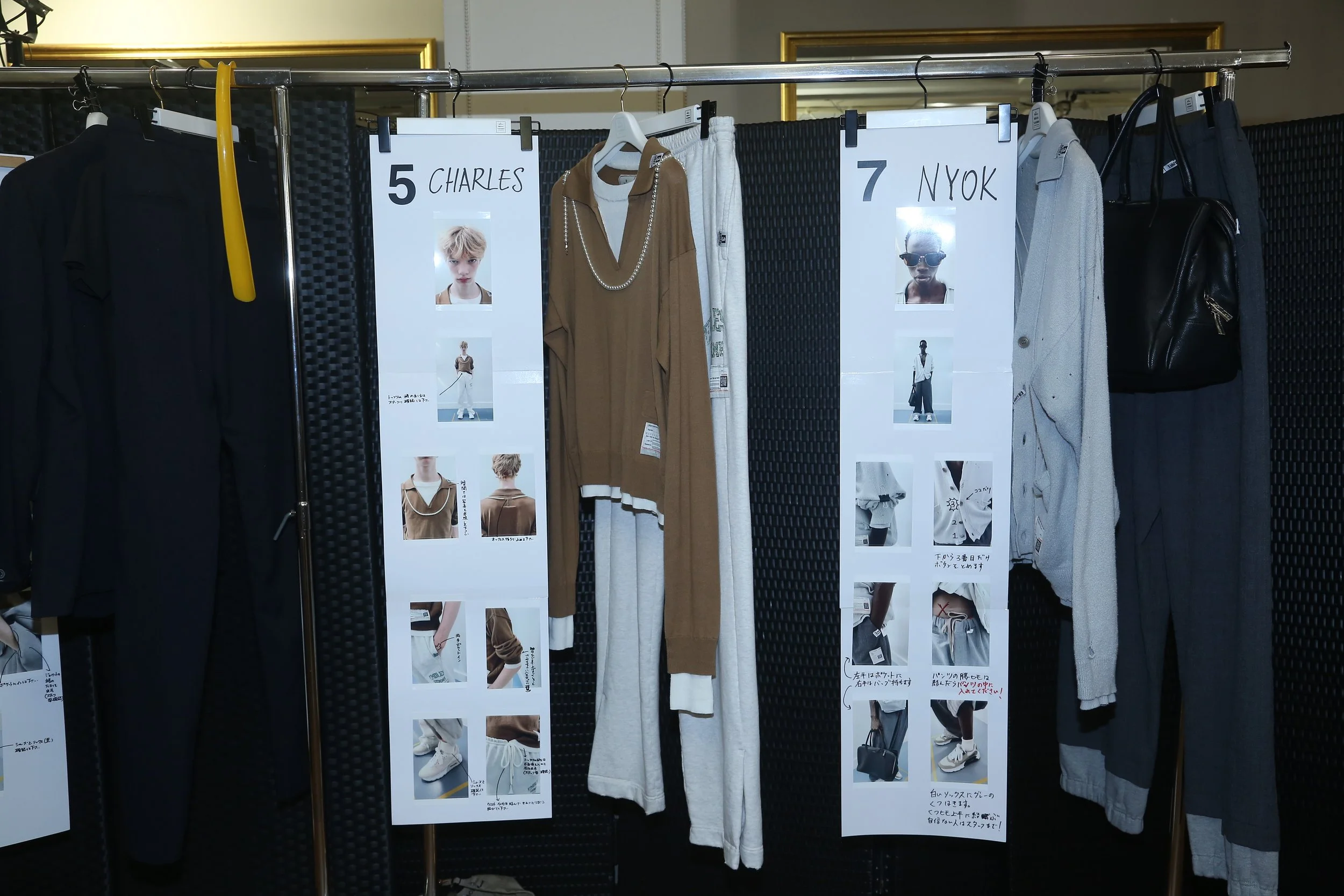
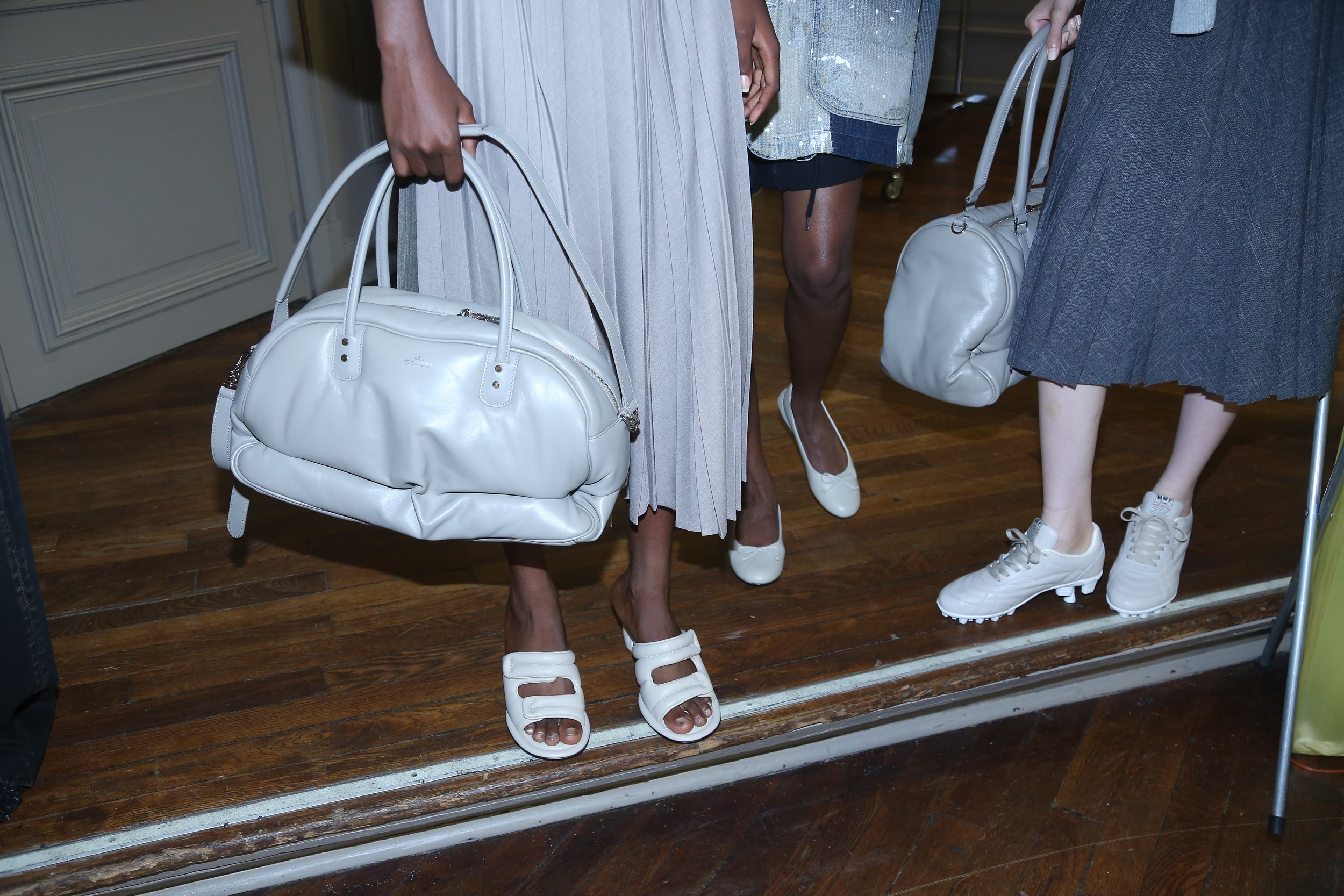
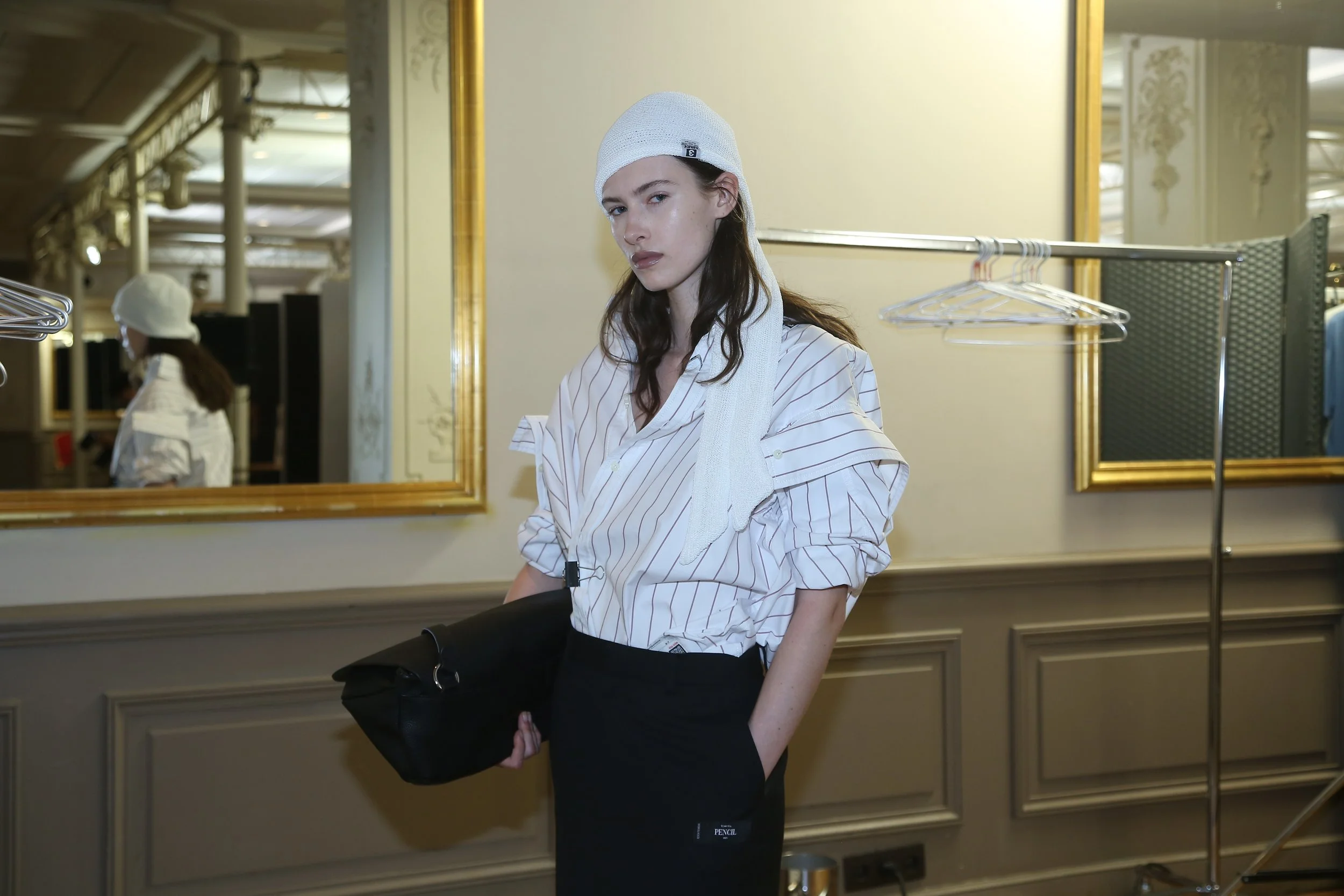
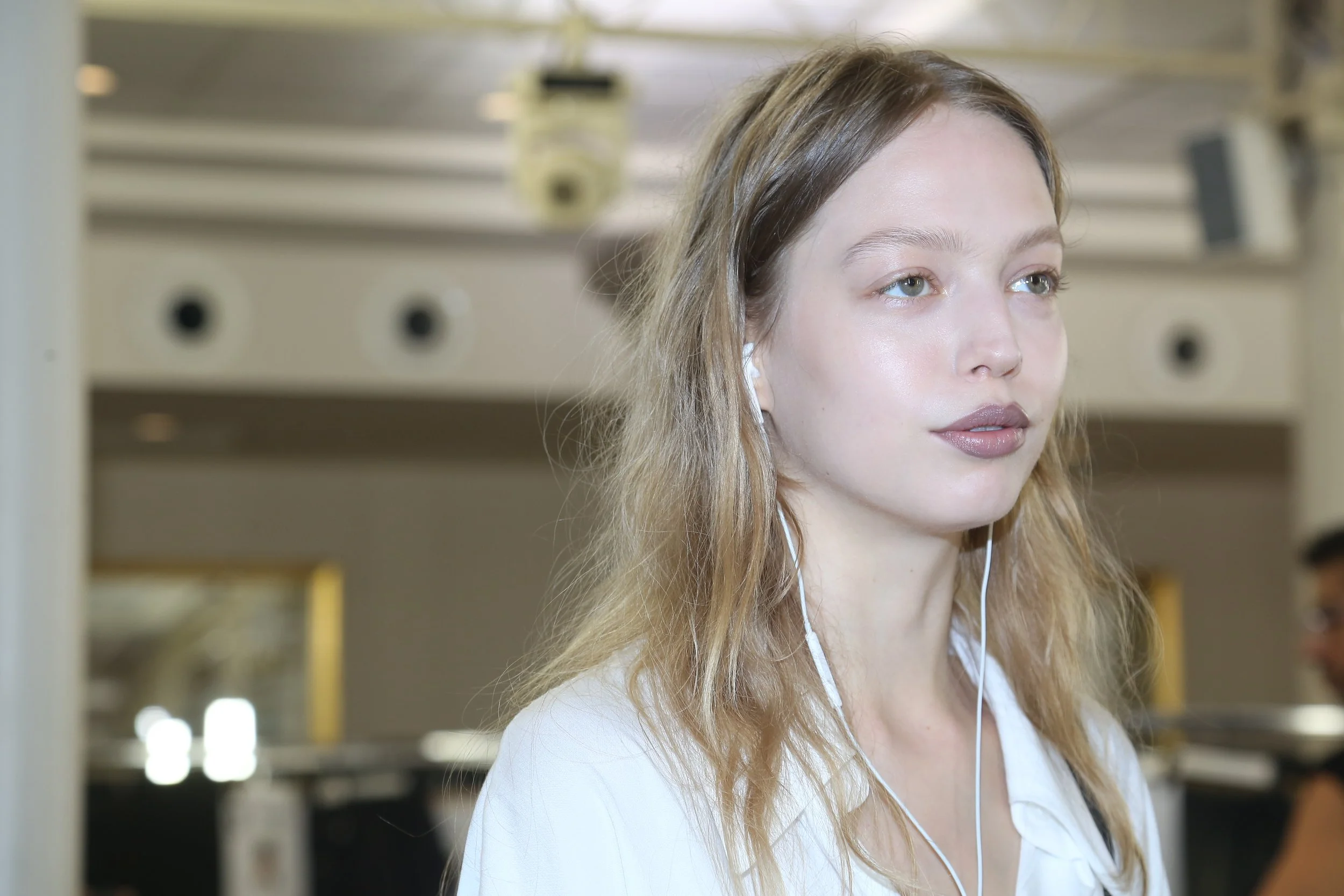
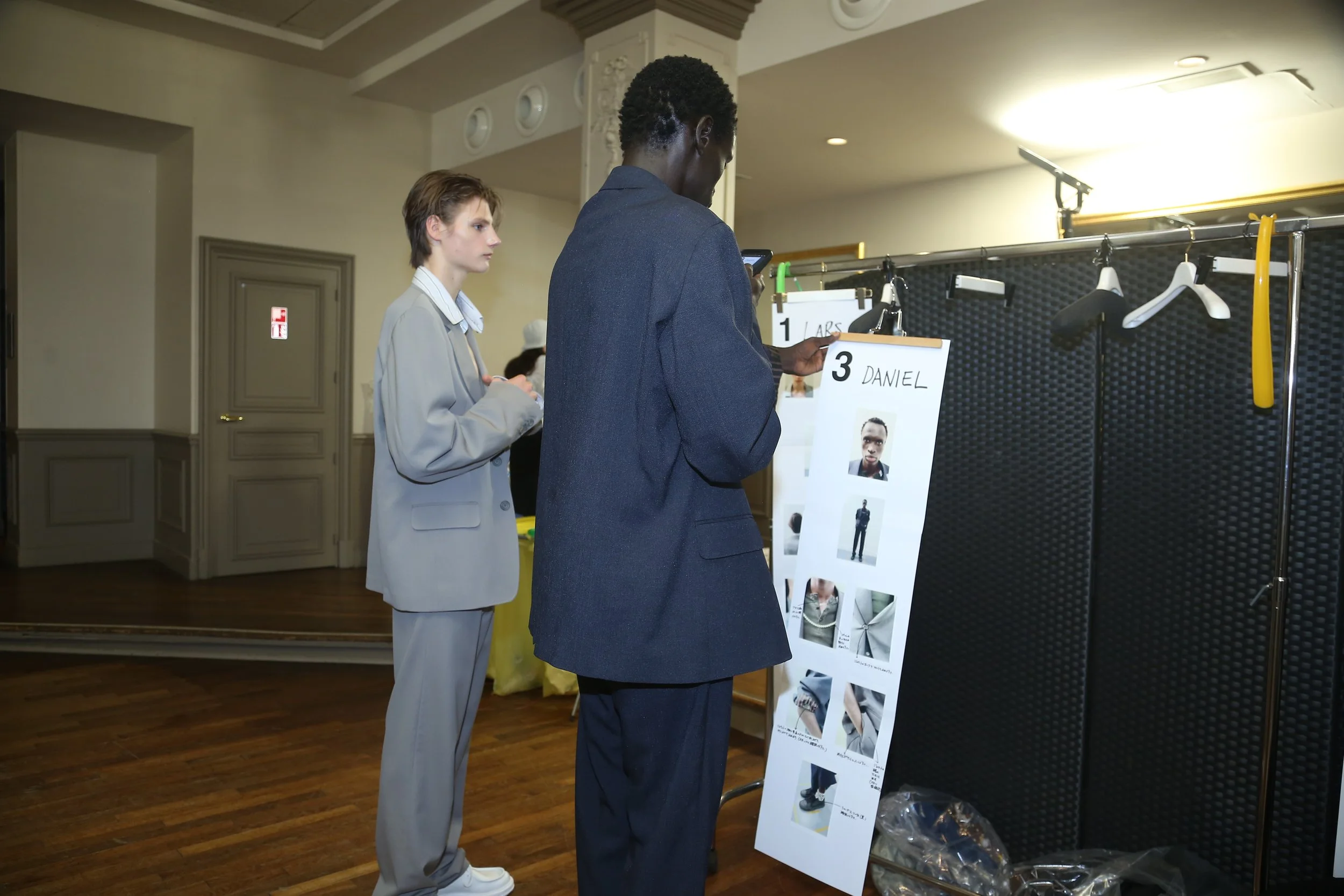
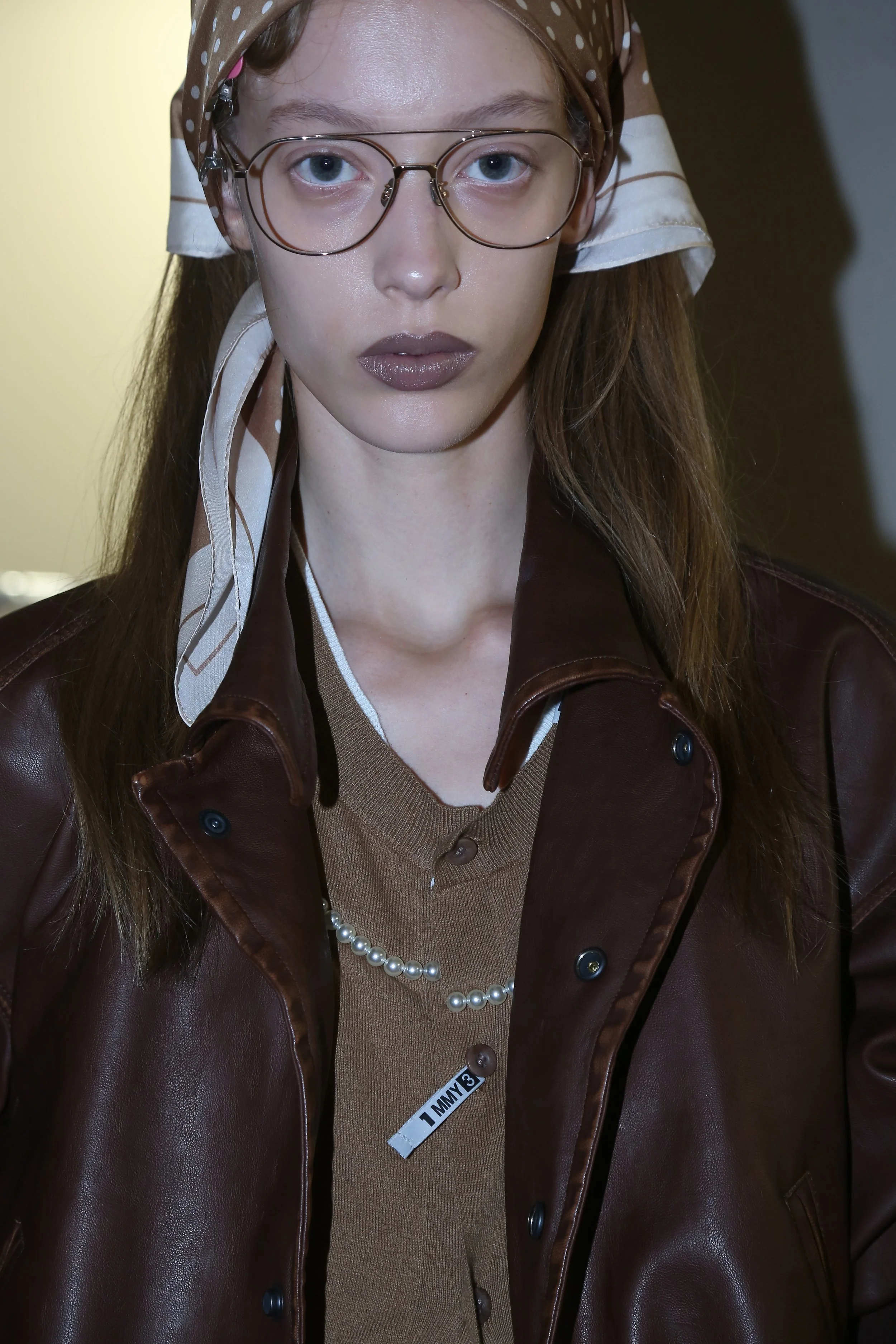
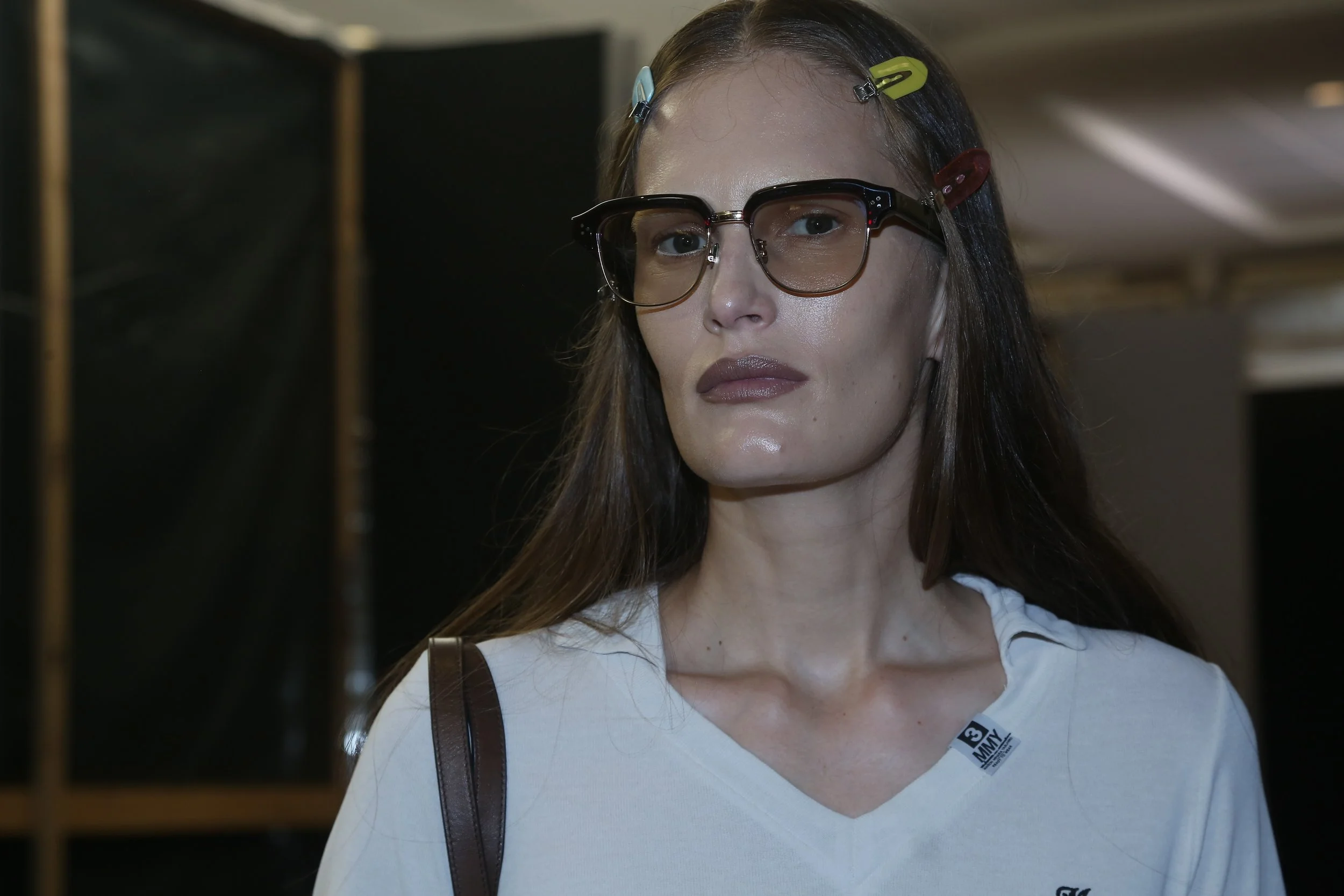
Mihara Yasuhiro
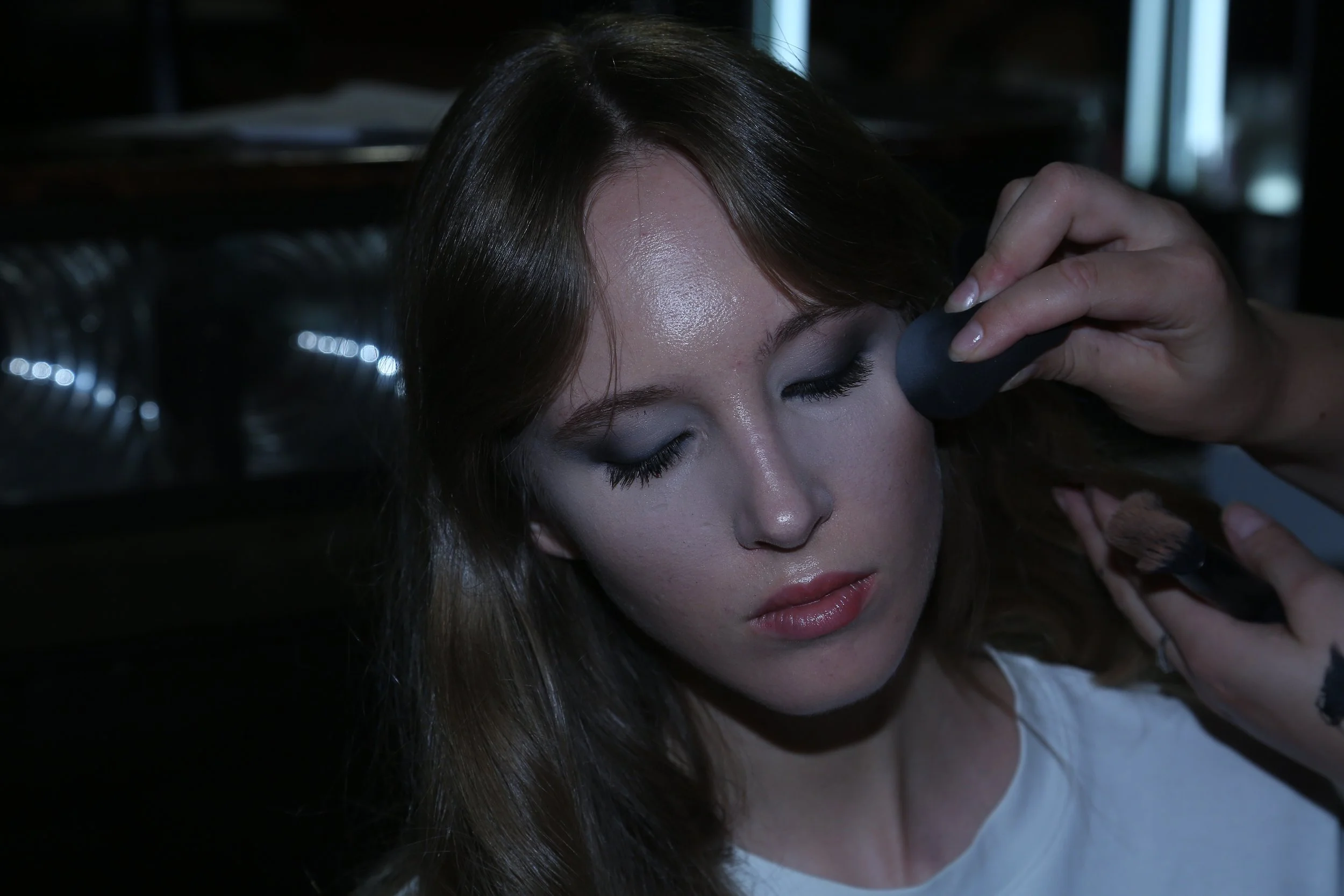
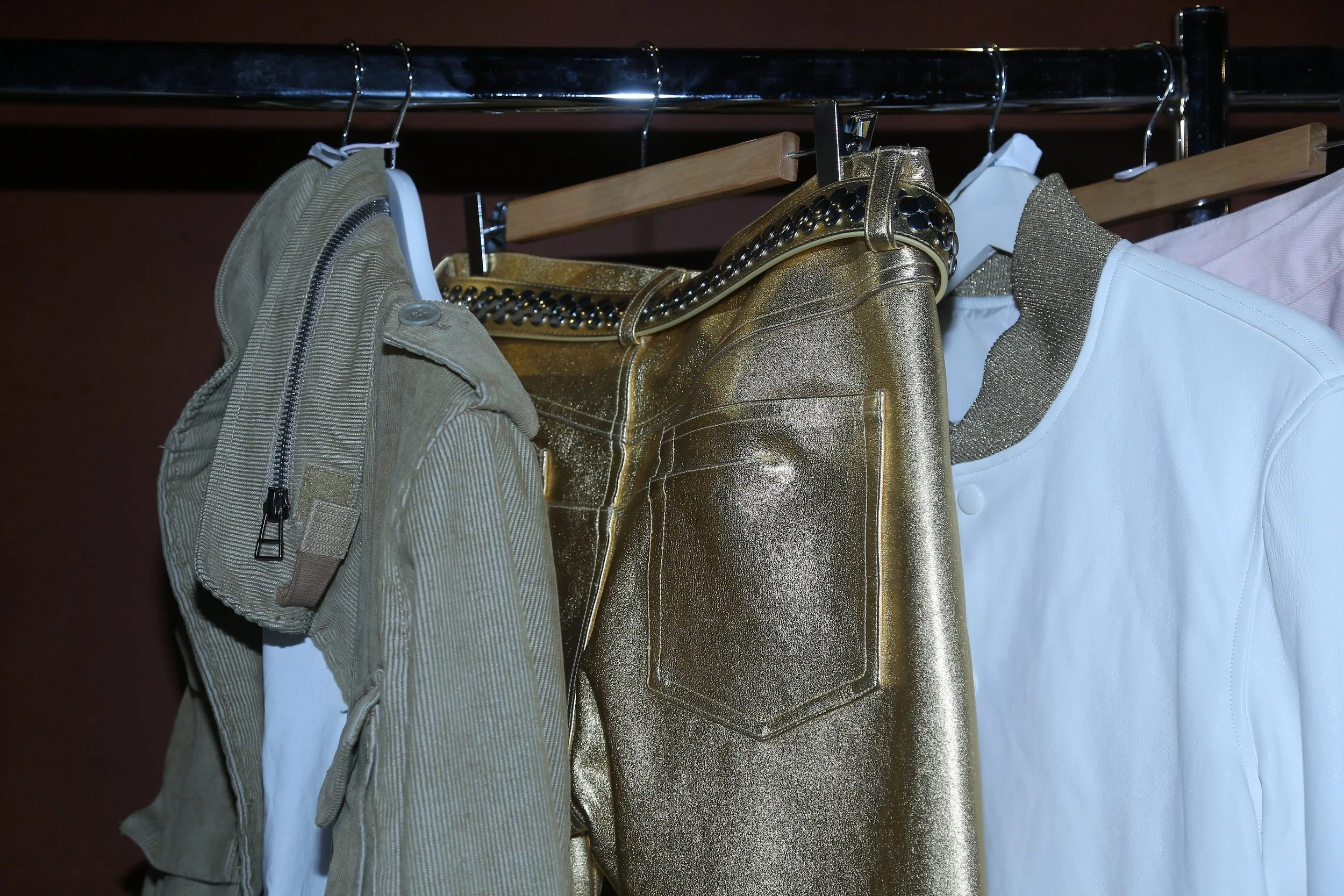
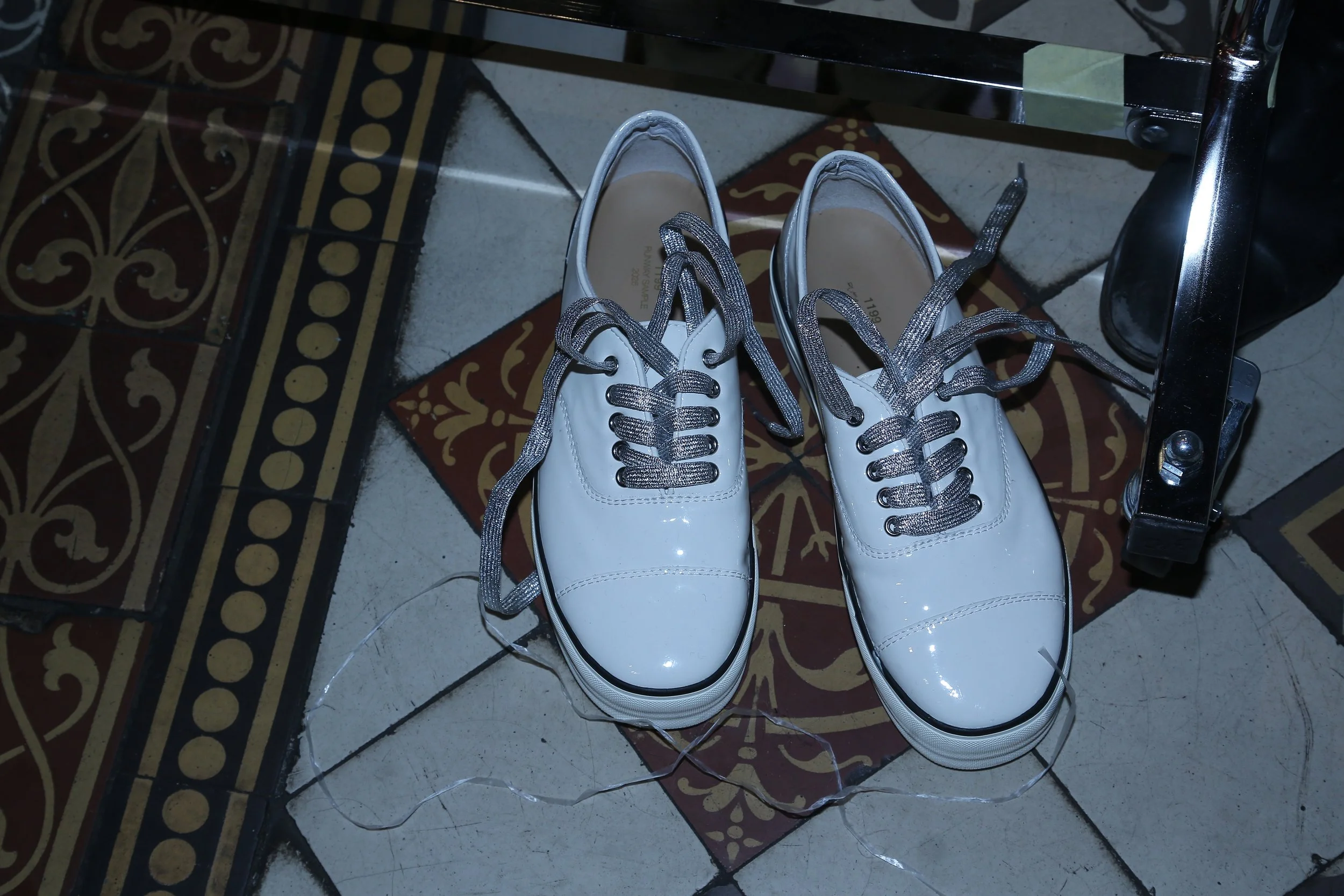
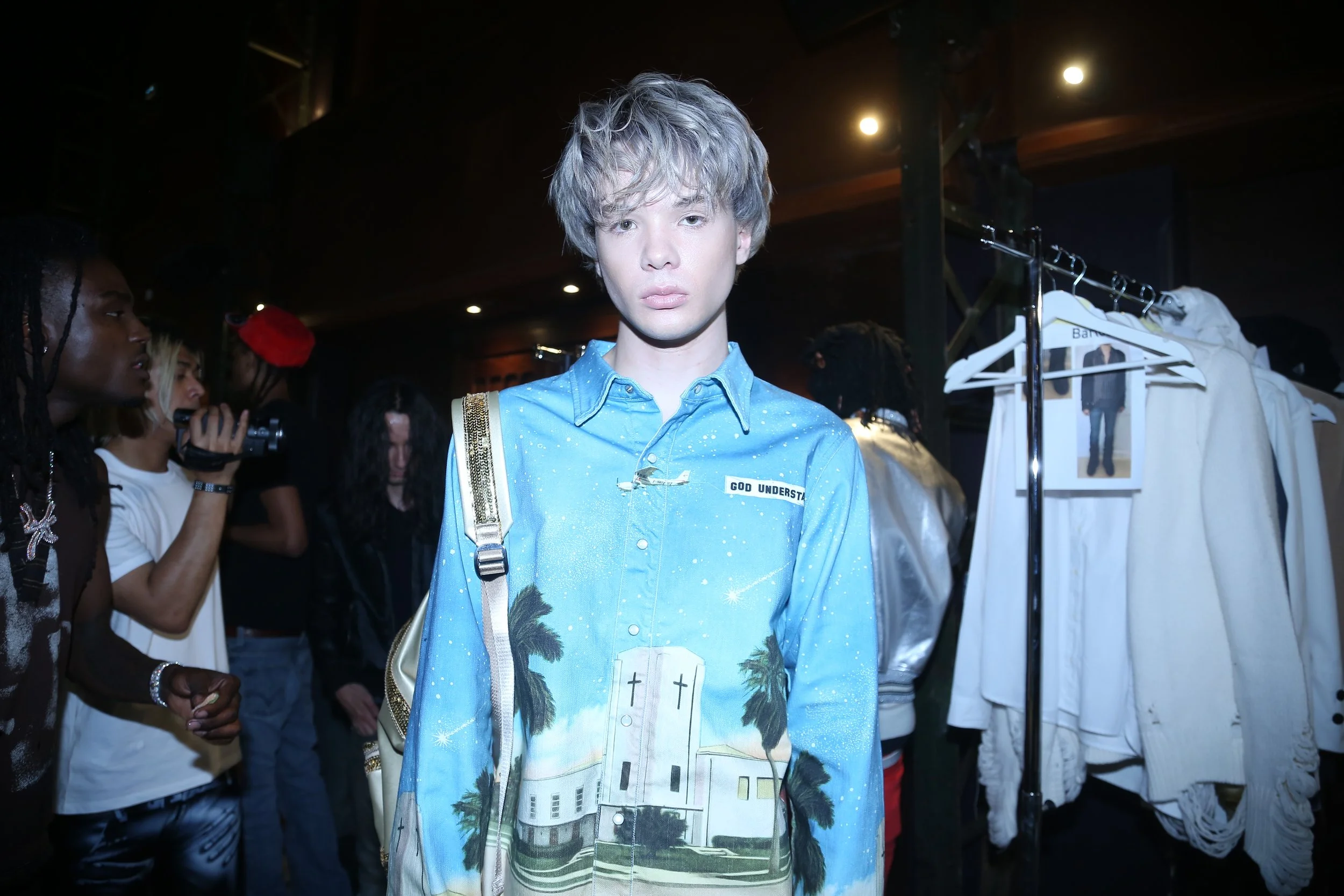
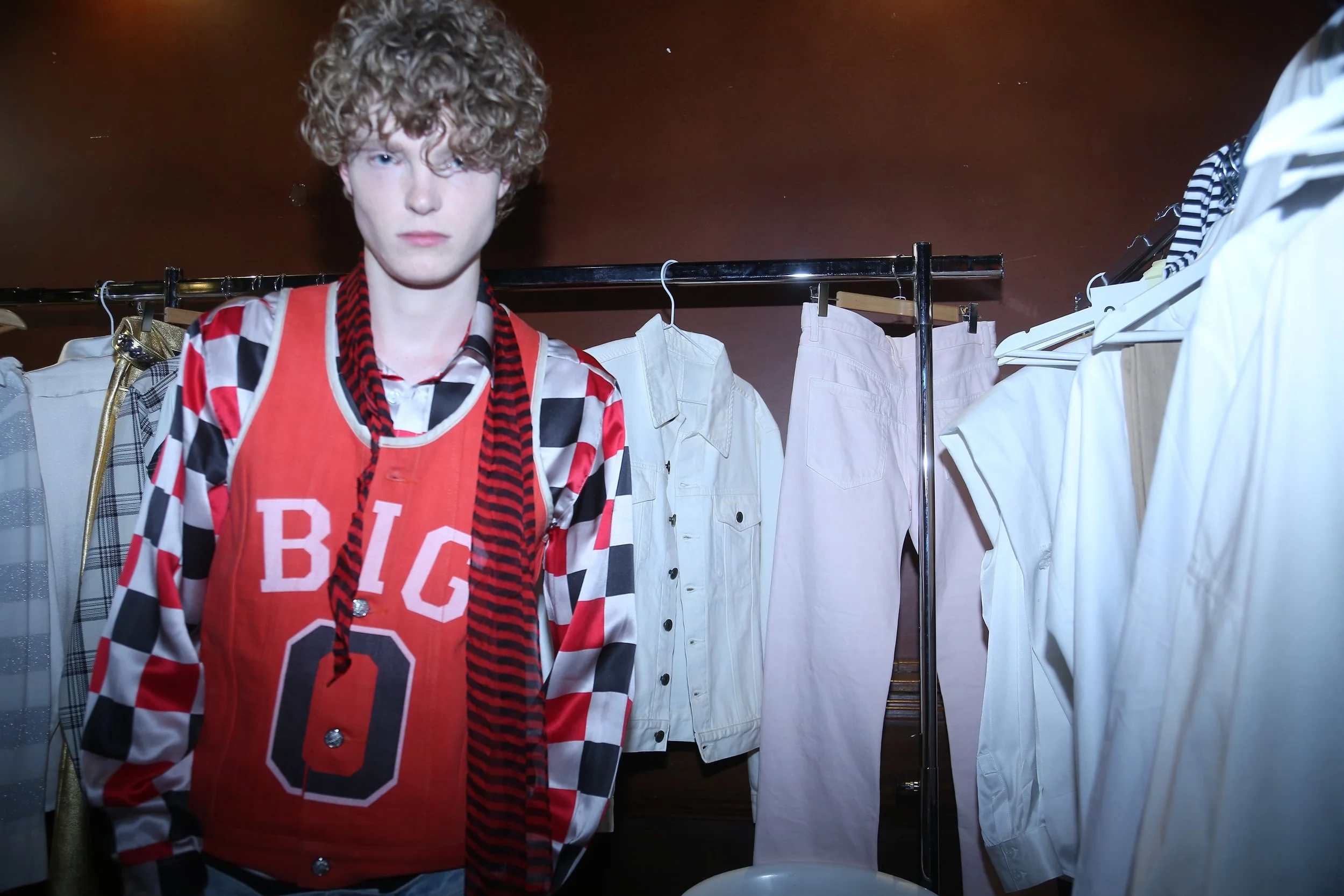
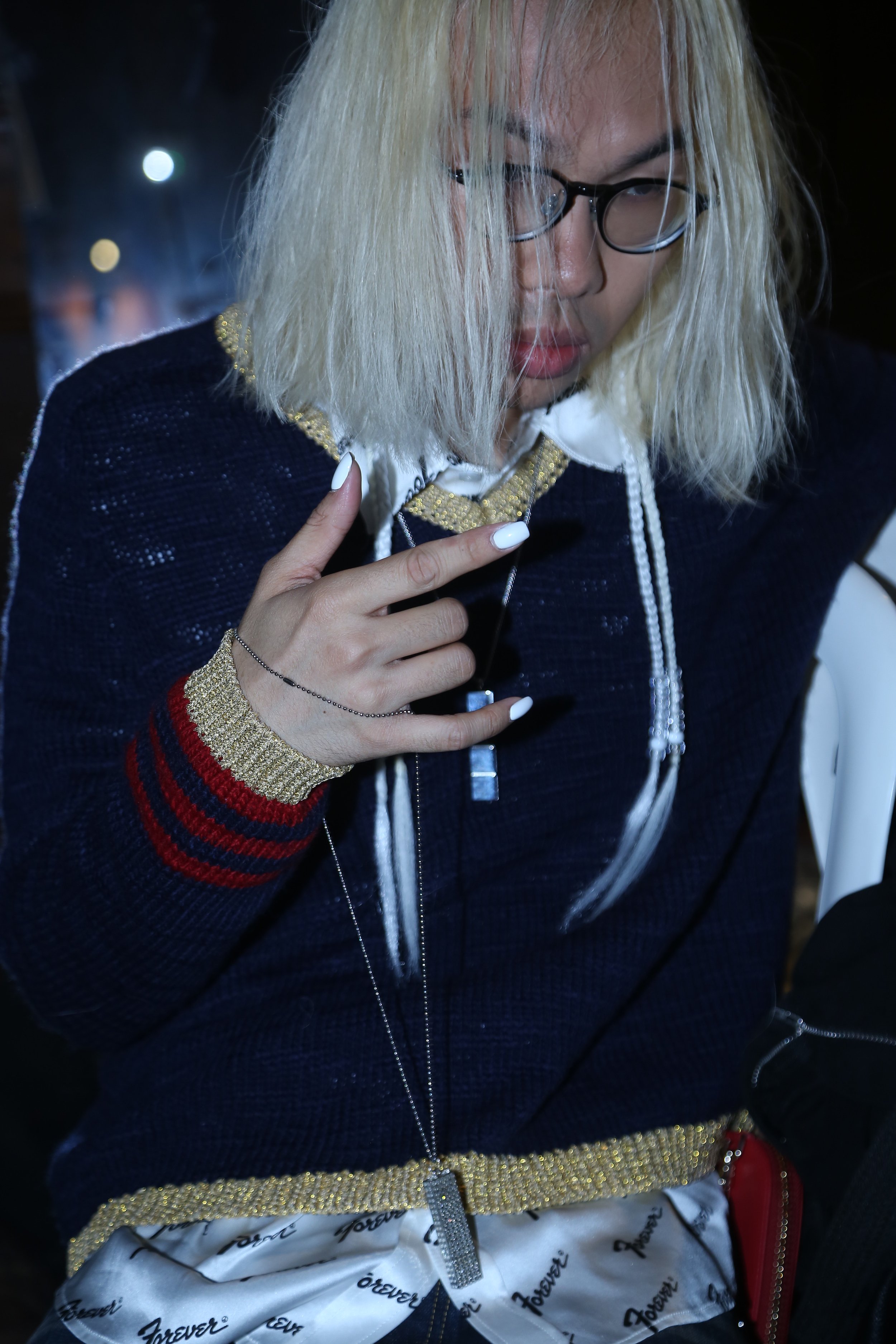
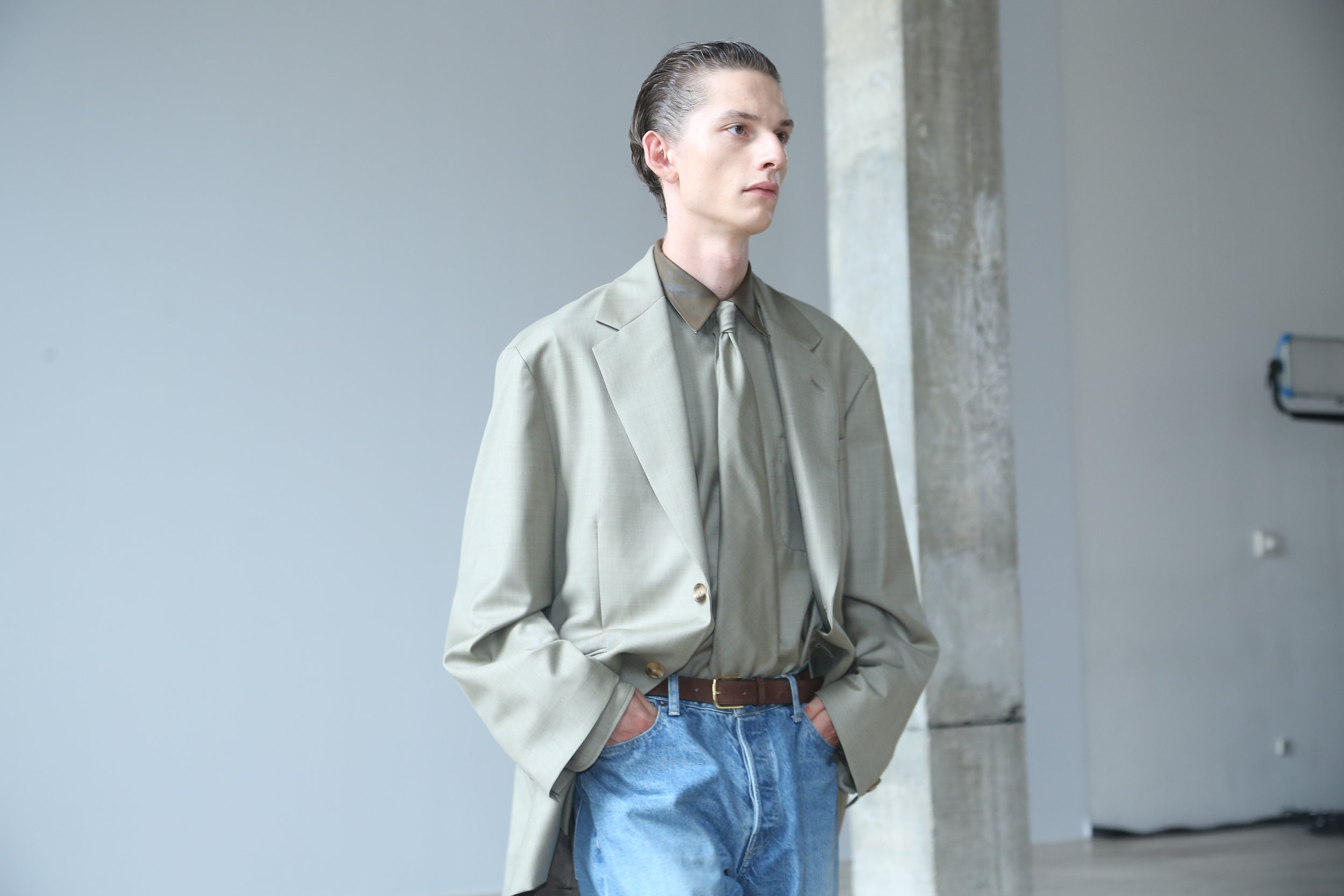
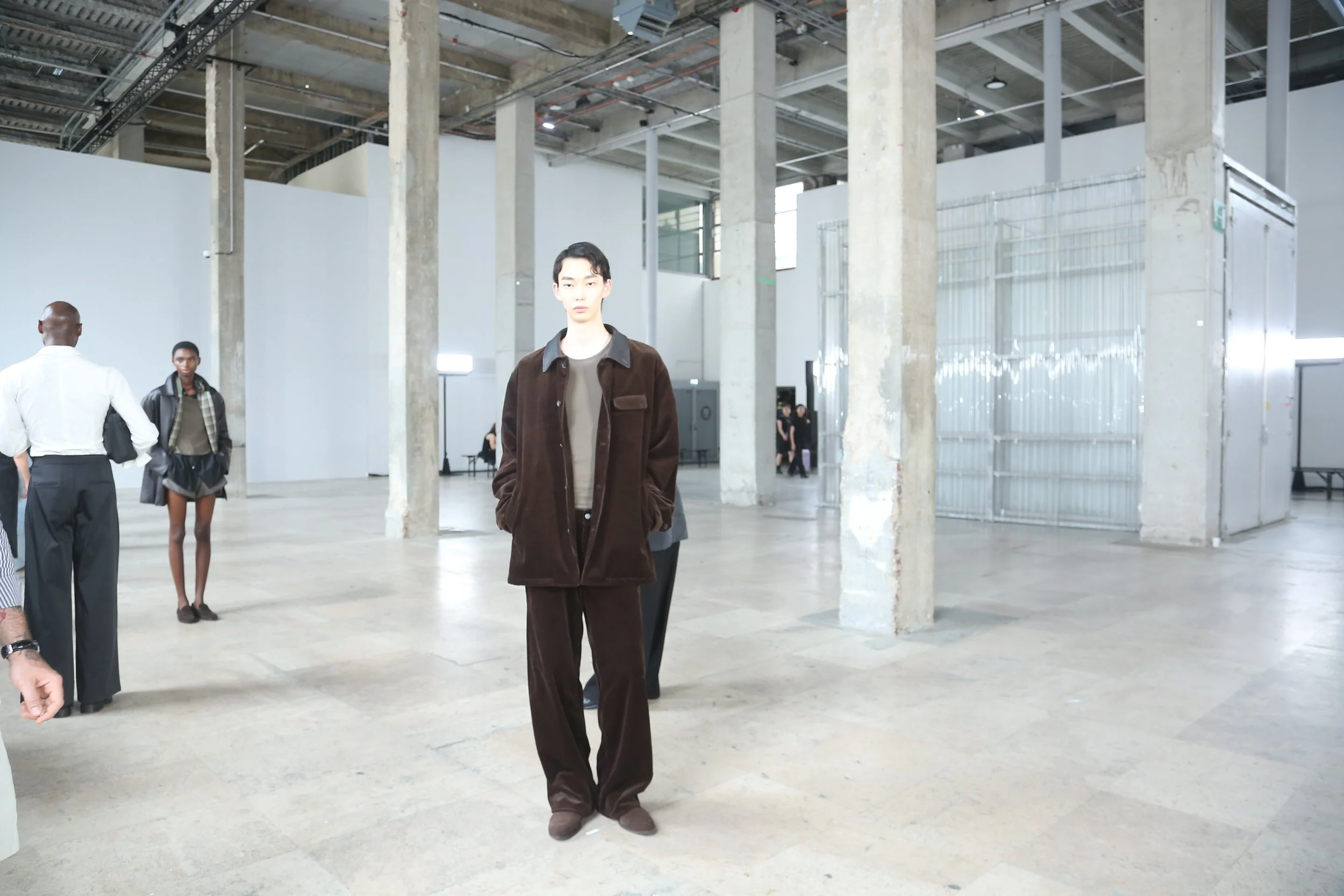
Sstein
Paris Fashion Week isn't experienced in a straight line. It's measured in litres of iced water, backstage cigarettes, blistering heat, friends you only ever see between shows (and annually), and music that keeps you awake long after your head hits the pillow.
Over six days I moved between runways, presentations, green rooms and late-night gigs, discovering that the most interesting stories rarely happen on the runway itself.
This season, Paris was in survival mode, hosting Fashion Week in a heatwave.
Backstage at Valette Studio, the show unfolded outdoors beneath relentless sun. Models waited until the final possible moment before putting on their looks, preserving both the garments and themselves. Somehow everyone endured.
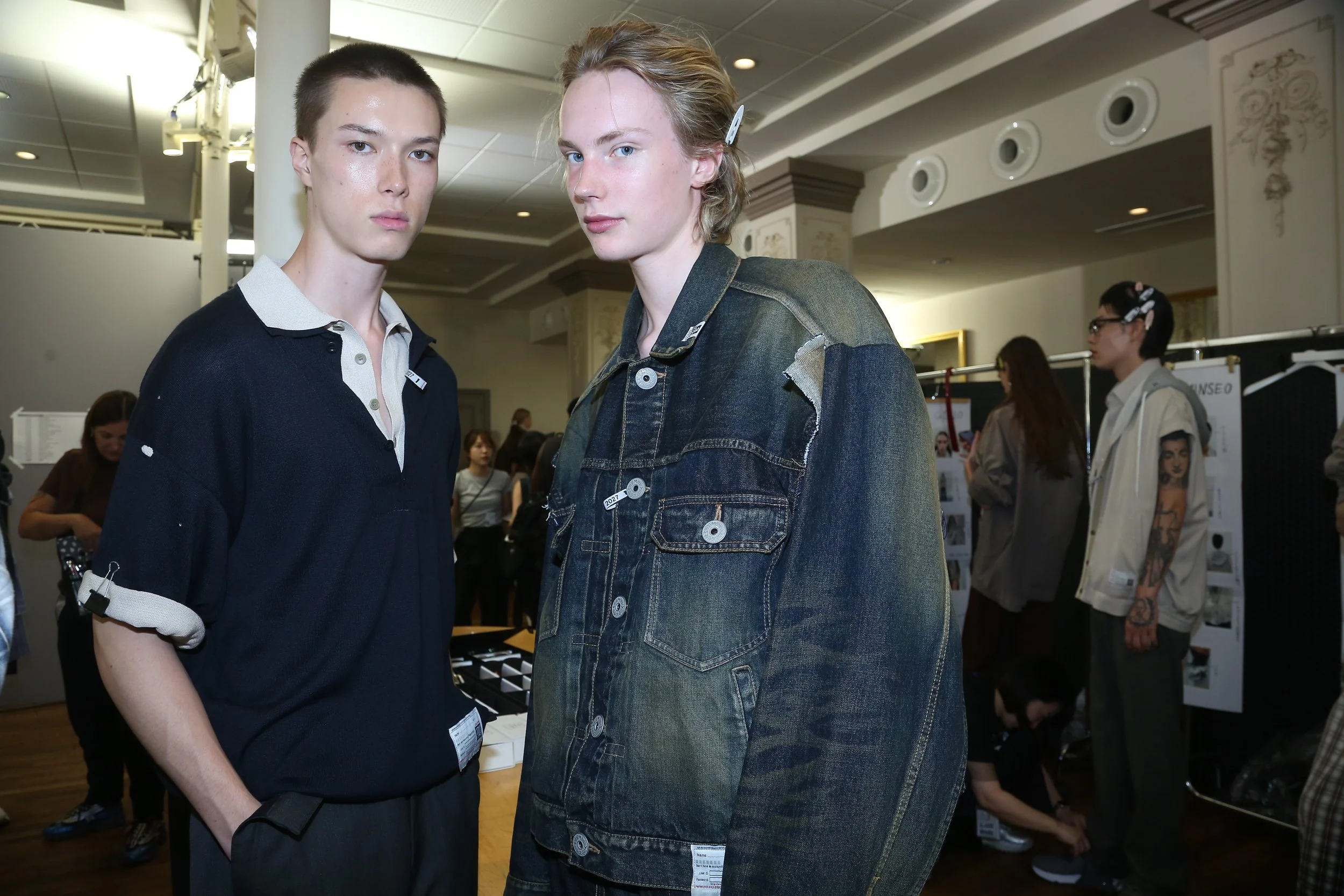
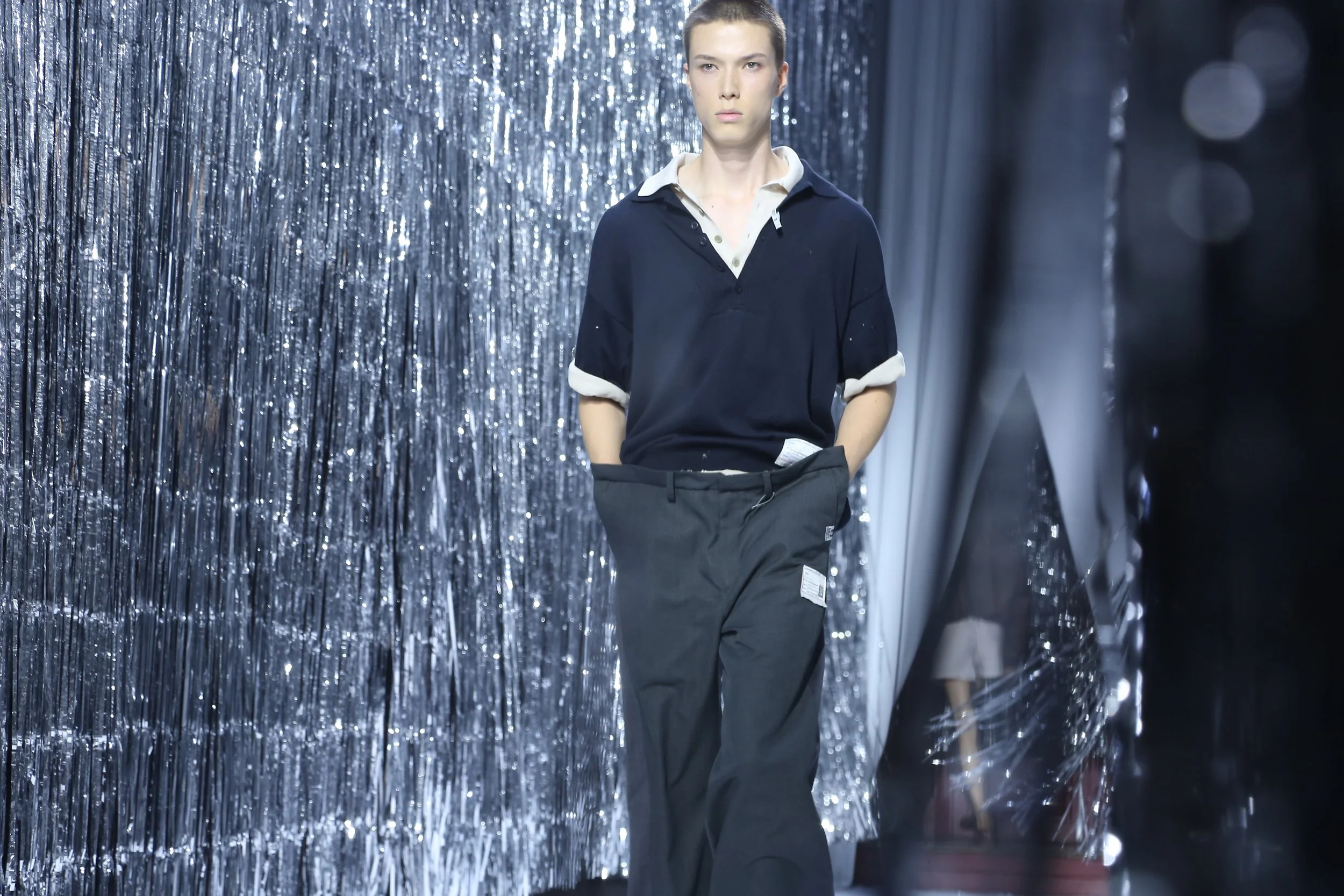
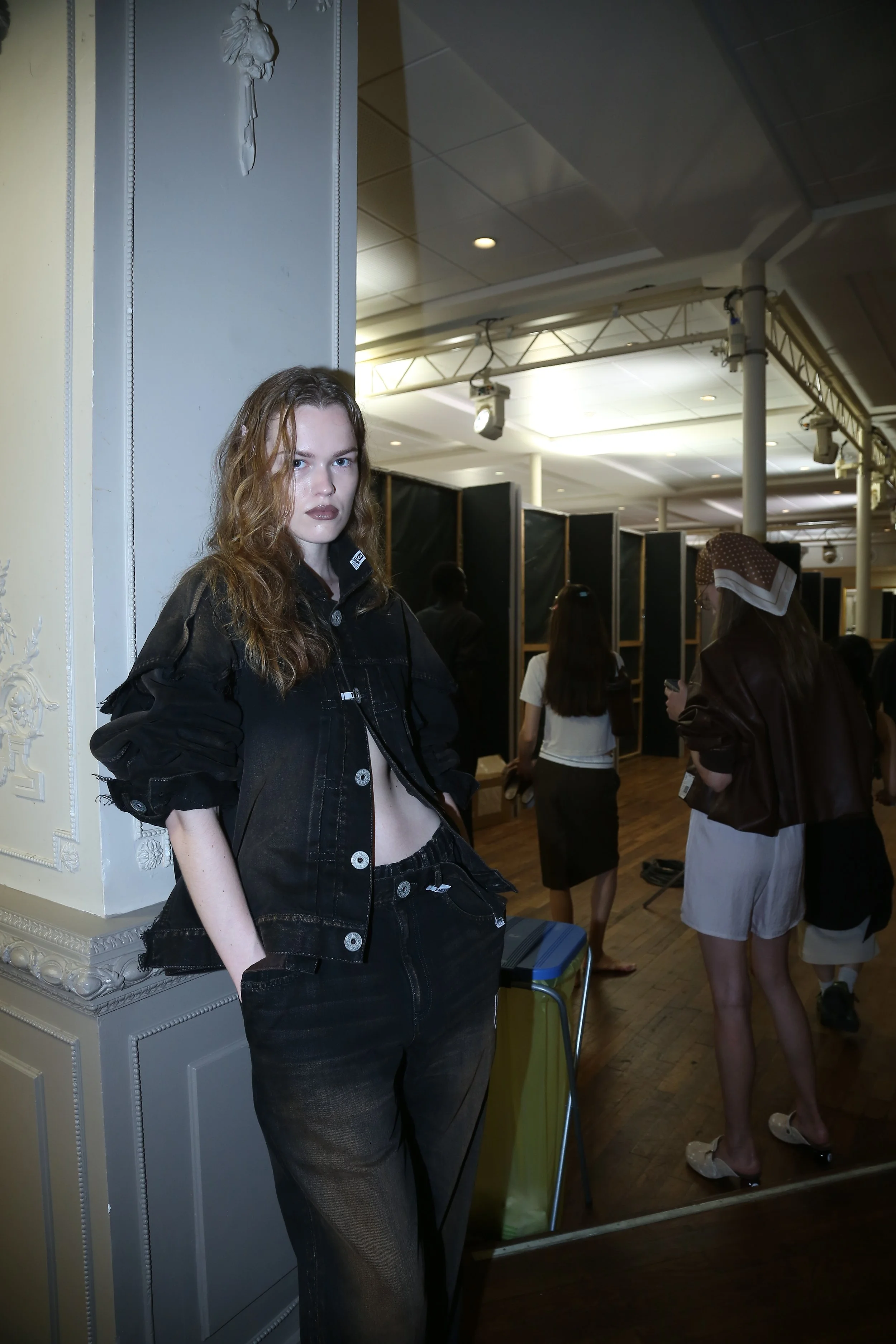
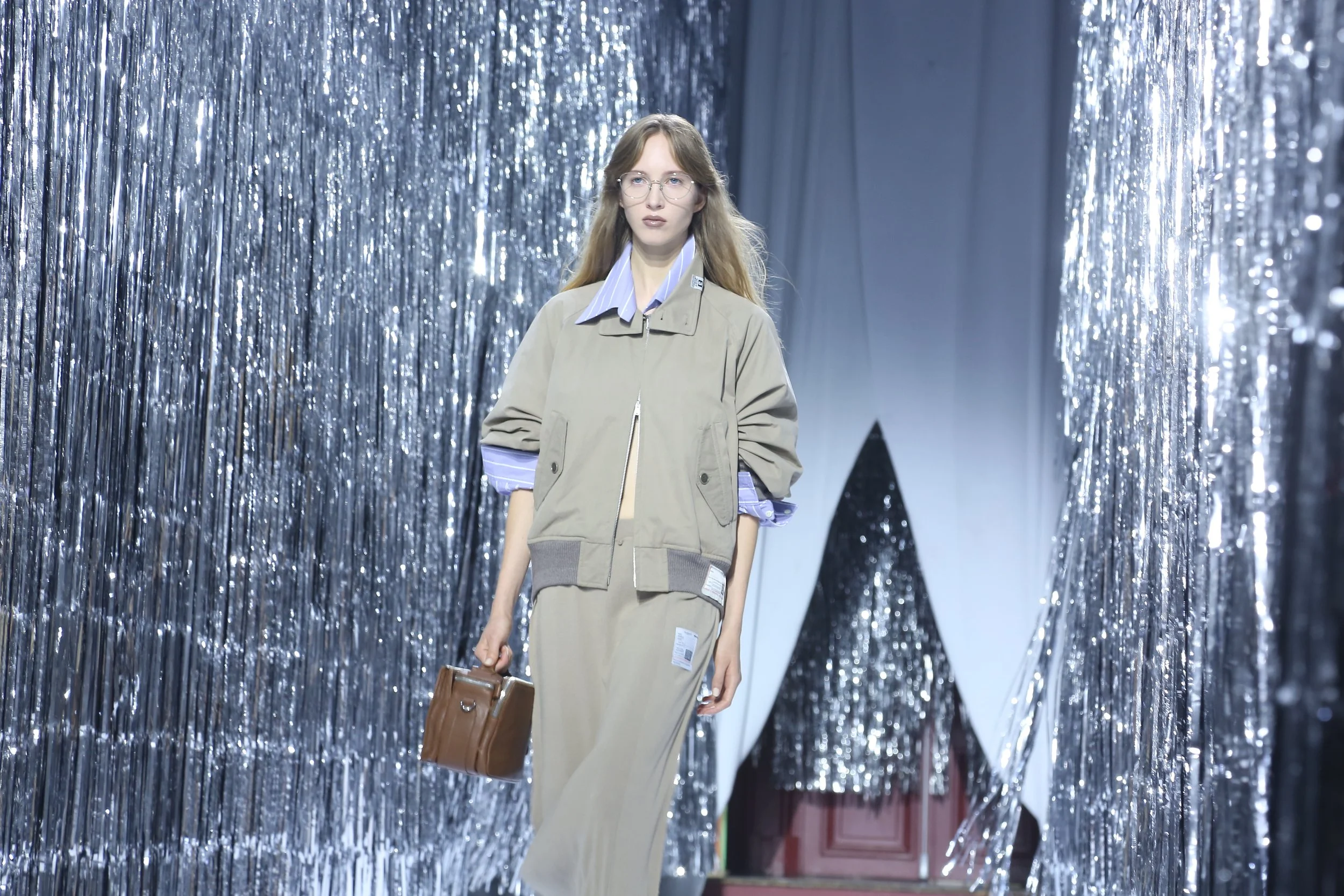
The weather became an invisible stylist throughout the week. Cold water and air conditioning became the most popular accessory to have. At Maison Mihara Yasuhiro, simply walking into a cool backstage felt euphoric.
The climate stripped away some of fashion's polish, creating a bond, everyone was sweating together.
What surprised me most was the use of colour.
A yellow ochre suit at Valette Studio immediately caught my attention, radiating a strange sense of calm. Throughout the week, vibrant colour repeatedly interrupted collections grounded in black and earthy neutrals.
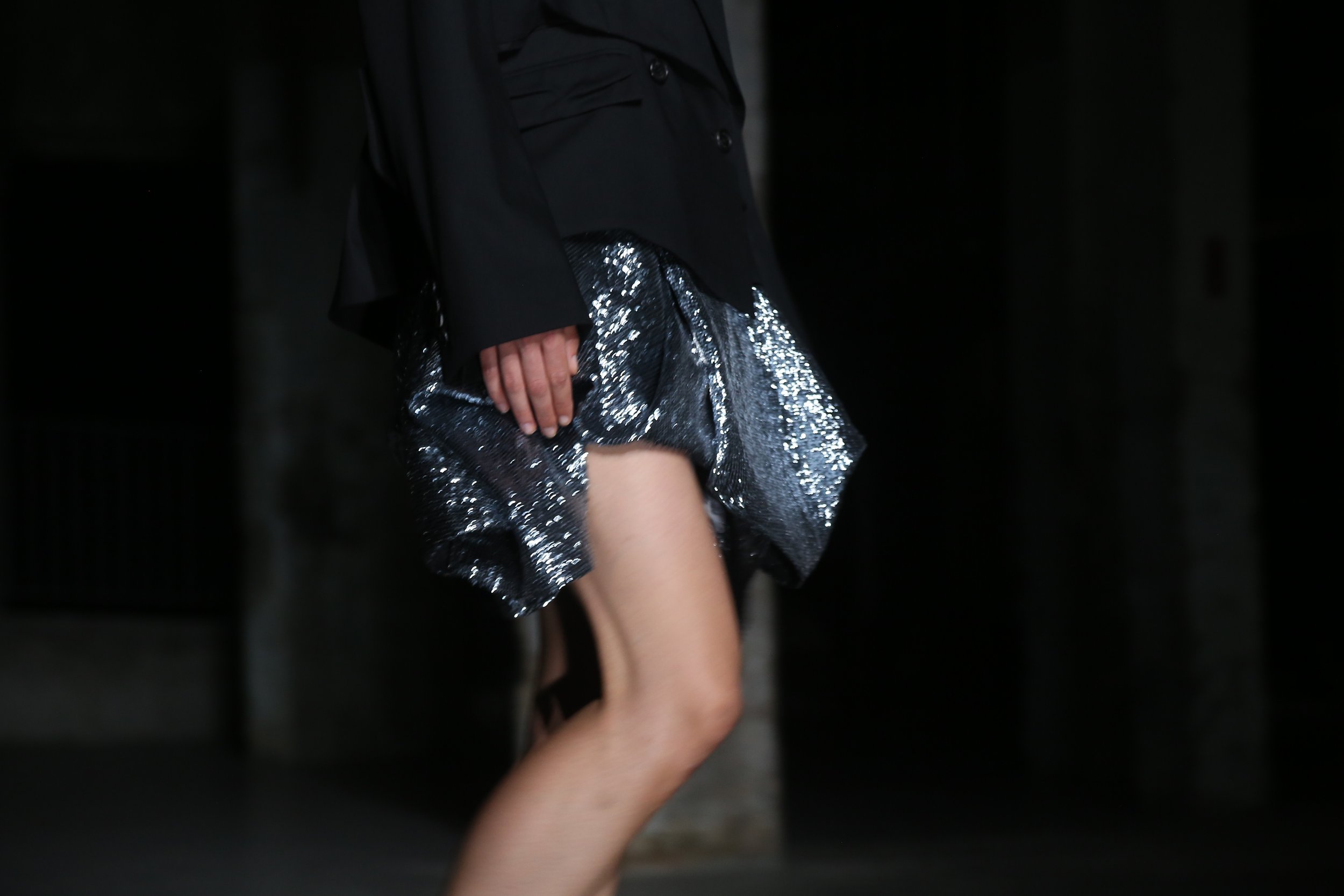
Purple hair, cat-like spots dyed into another model's hair. Metallic fabrics. Sparkling textiles catching the runway lights before dissolving into soft layers of flowing tulle.
The use of colour was emotional, It felt hopeful.
I've always loved backstage more than the runway.
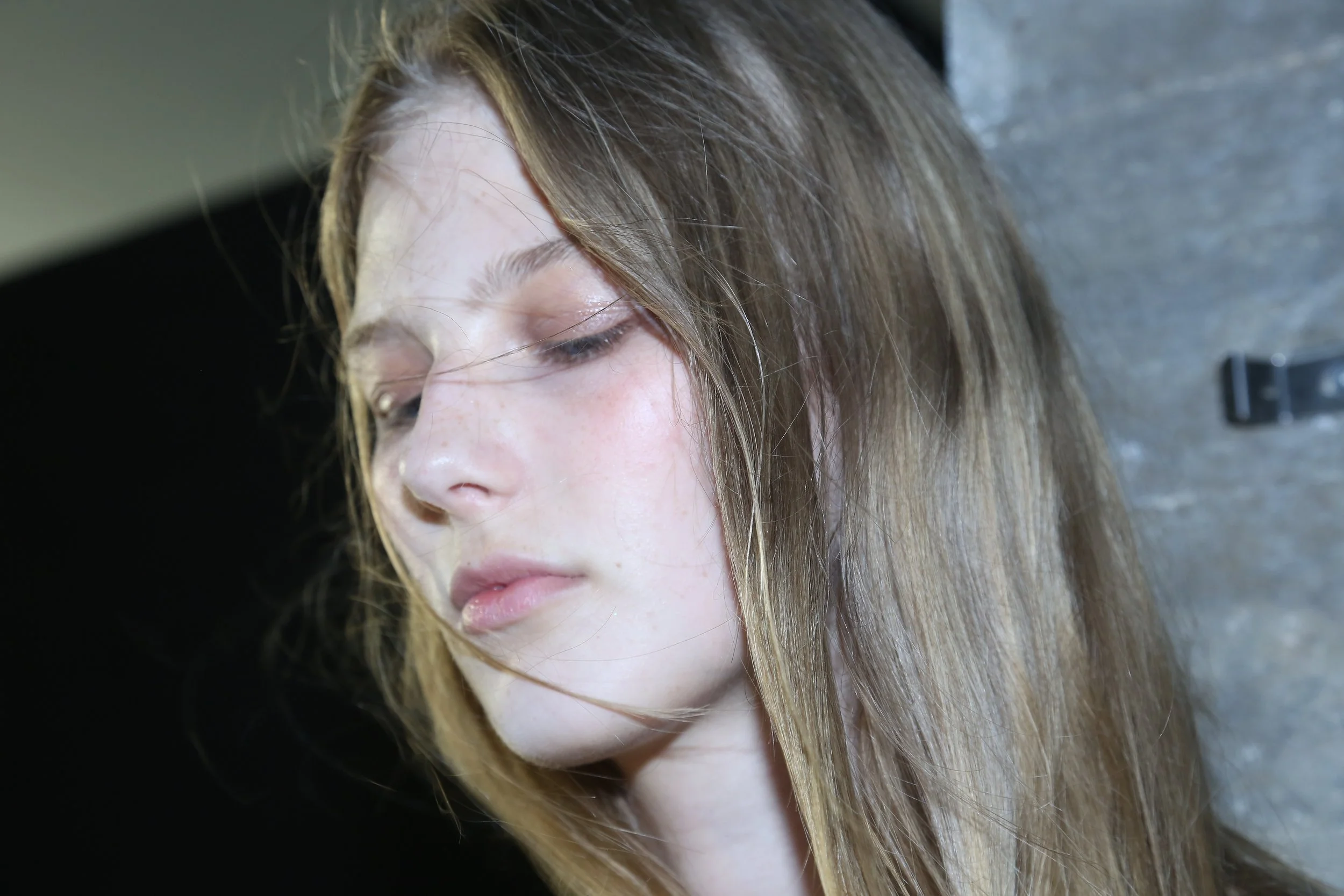
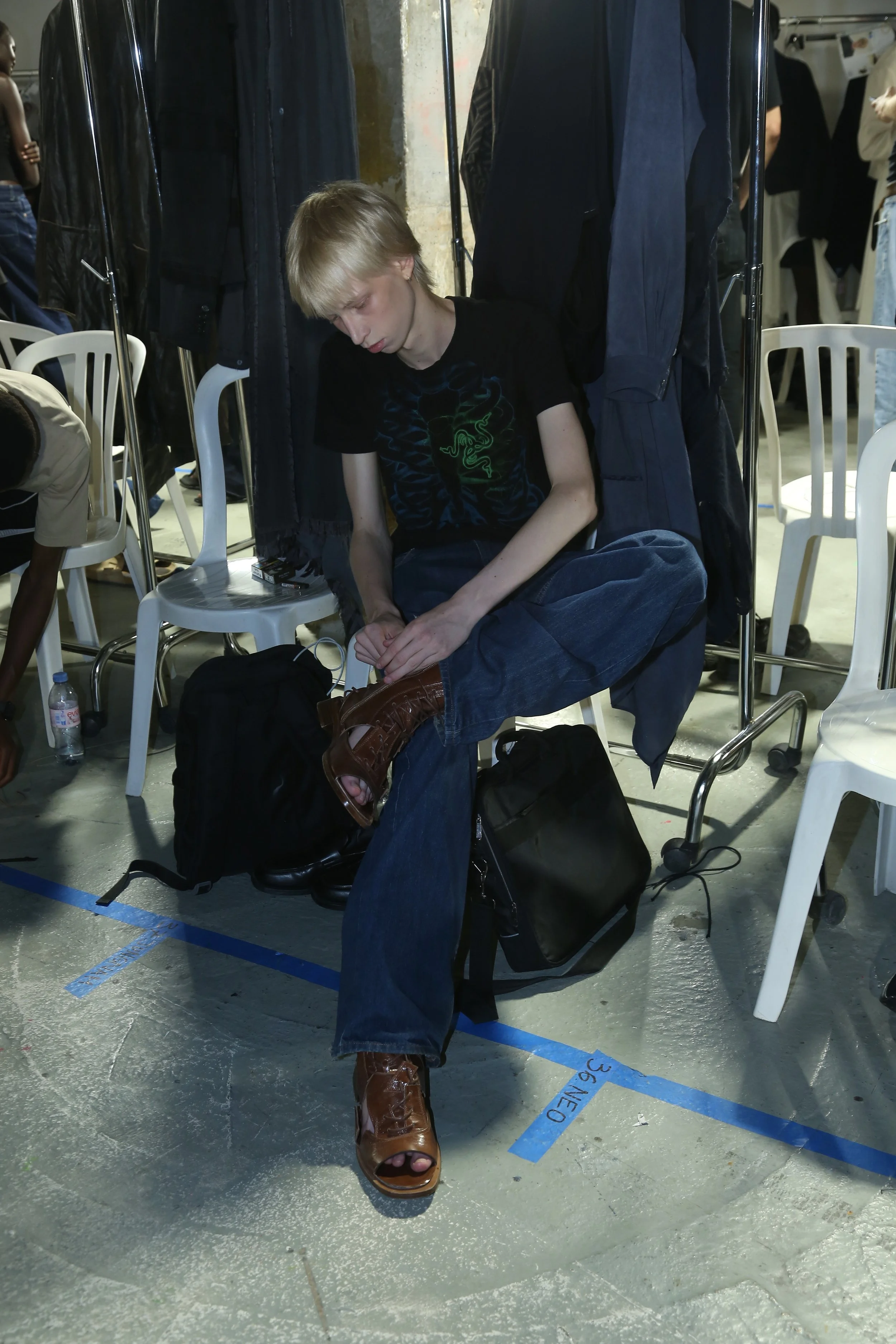
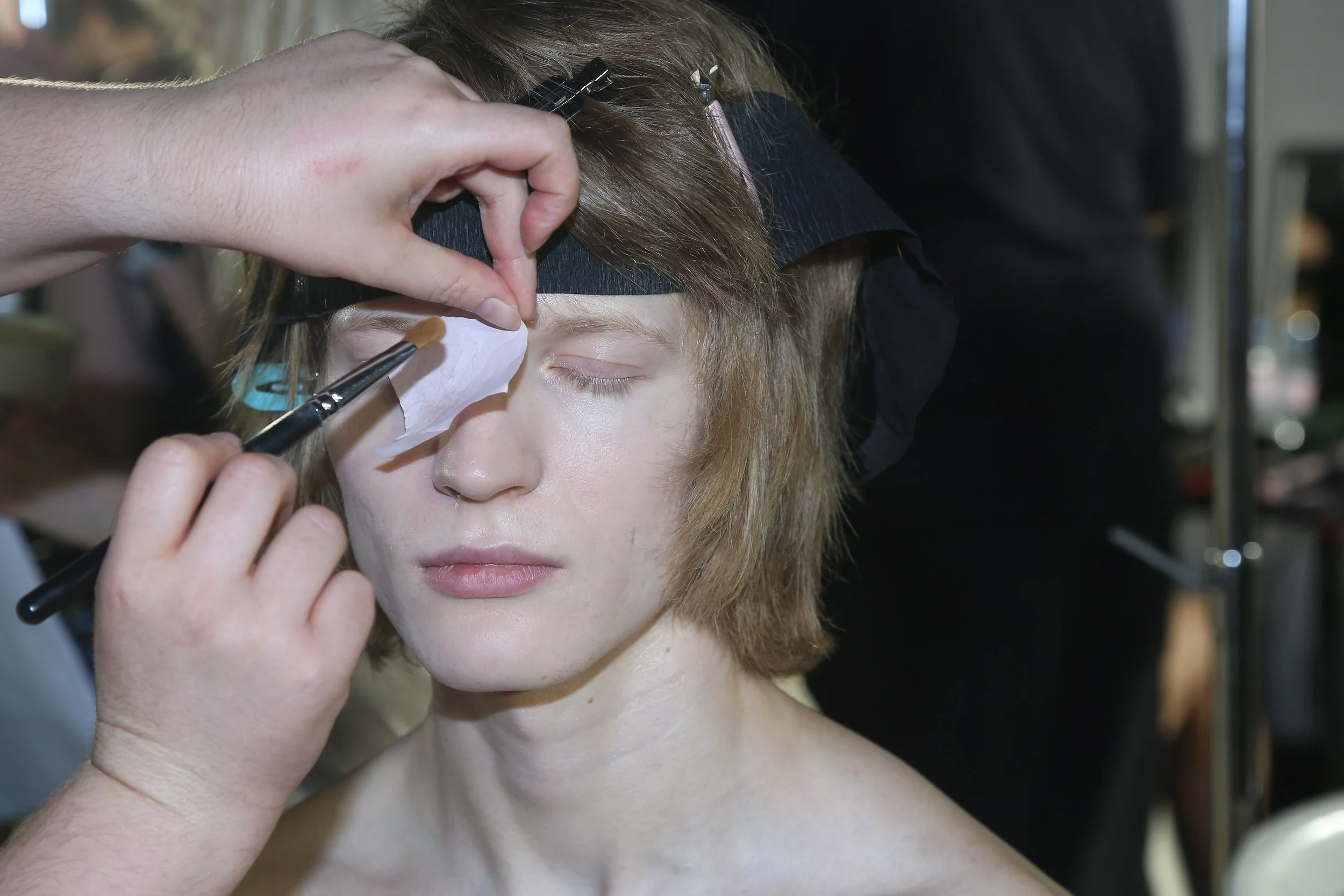
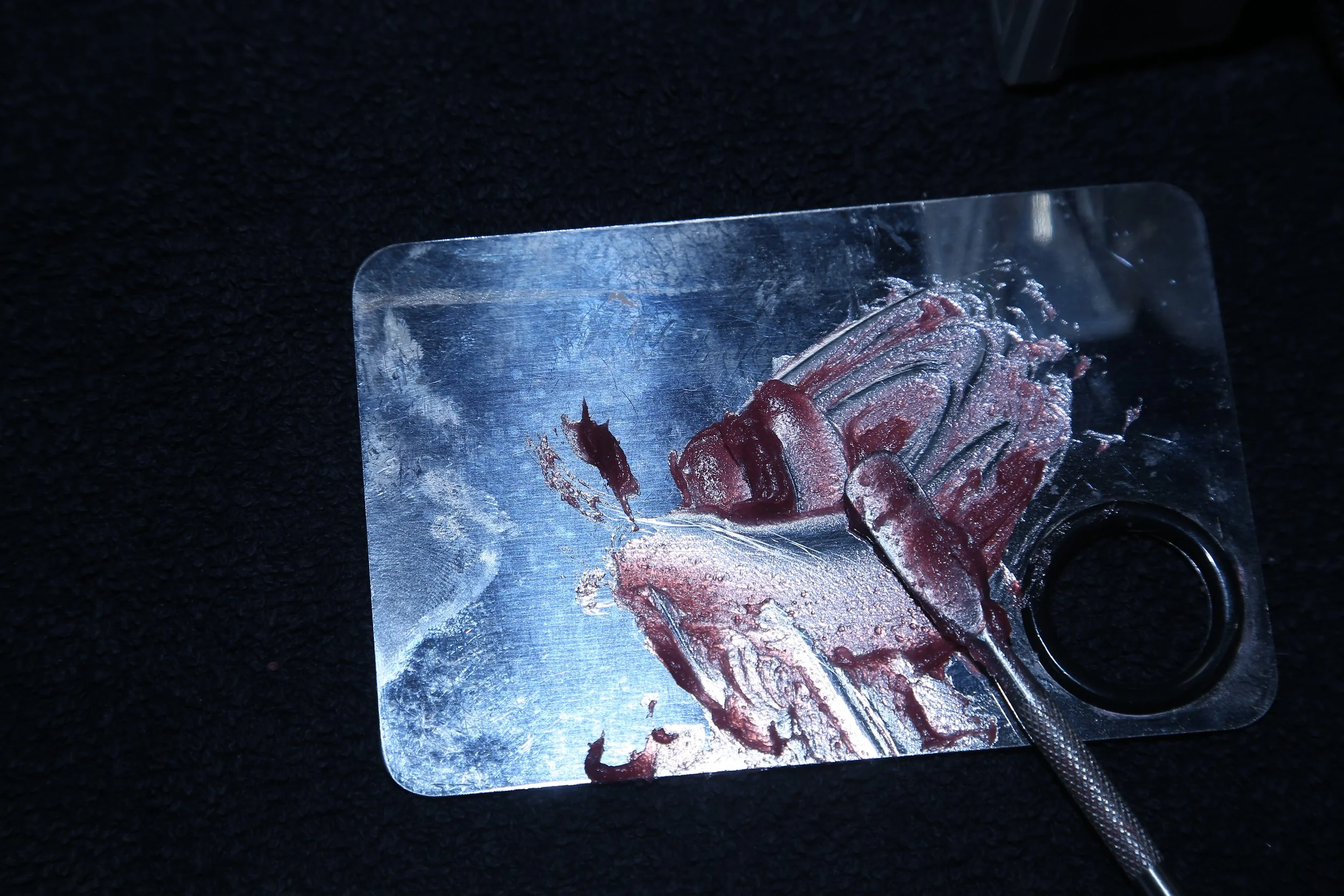
It's where make-up artists become sculptors. Stylists make last-minute decisions. Friends unexpectedly reunite after months apart. At Maison Mihara Yasuhiro I even discovered a close friend from Finland working on the beauty team – a reminder that Fashion Week is full of familiar faces, reunions for an international creative community.
These moments are impossible to choreograph. They're why I keep coming back.
Across the week I noticed a recurring movement toward softer tailoring and more fluid identities.
Songzio's shimmering metallic fabrics reflected light while translucent tulles absorbed it. Meryll Rogge balanced masculine and feminine codes without forcing either. Sstein proposed relaxed tailoring that felt designed for actual life rather than the office.
Japanese designers especially seemed drawn toward natural dye palettes, breathable fabrics and silhouettes that resisted rigid categorisation.
The looks communicated with one another, like a choriagraphed dance.
Every evening ended somewhere completely different.
Office Magazine's party inside Silencio – David Lynch's legendary members club, became an exercise in photographic restraint. Copyright restrictions meant I couldn't rely on wide shots, forcing me into intimate portraits and close observations.
I reunited with Frost Children and Brutalismus after seeing them in London and Milan only weeks earlier.
Later came Polmusic, Borough, The Teenagers, Speakman and countless conversations inside green rooms where work dissolved into friendship.
Music reminded me why I make images in the first place.
Watching someone disappear into a song through the viewfinder – a dance, a kiss, someone staring intently at the stage, is infinitely more interesting than perfect documentation.
Music moves people. Photography captures that.
The collection I can't stop thinking about belongs to 1199, the entire show felt alive.
Musicians walked the runway. Friends gathered backstage. Nobody seemed interested in maintaining fashion's traditional hierarchy.
Luxury brands often borrow from underground culture, but 1199 actually invited that culture into the room.
There's a difference.
One thing stayed with me after six days of shows. People rarely buy an entire runway look. They buy individual pieces. Yet so many collections still present clothing in predictable combinations instead of encouraging imagination. The strongest styling I saw suggested possibilities rather than prescriptions.
Outside the venues, people dressed even better.
Everyone leaving the shows had adapted the clothes to survive the elements: breathable fabrics, practical shoes, outfits capable of lasting until 3am on a dance floor.
This is where fashion actually lives, within the endless re-interpretations of personal styling.
You can see more from Simran here.